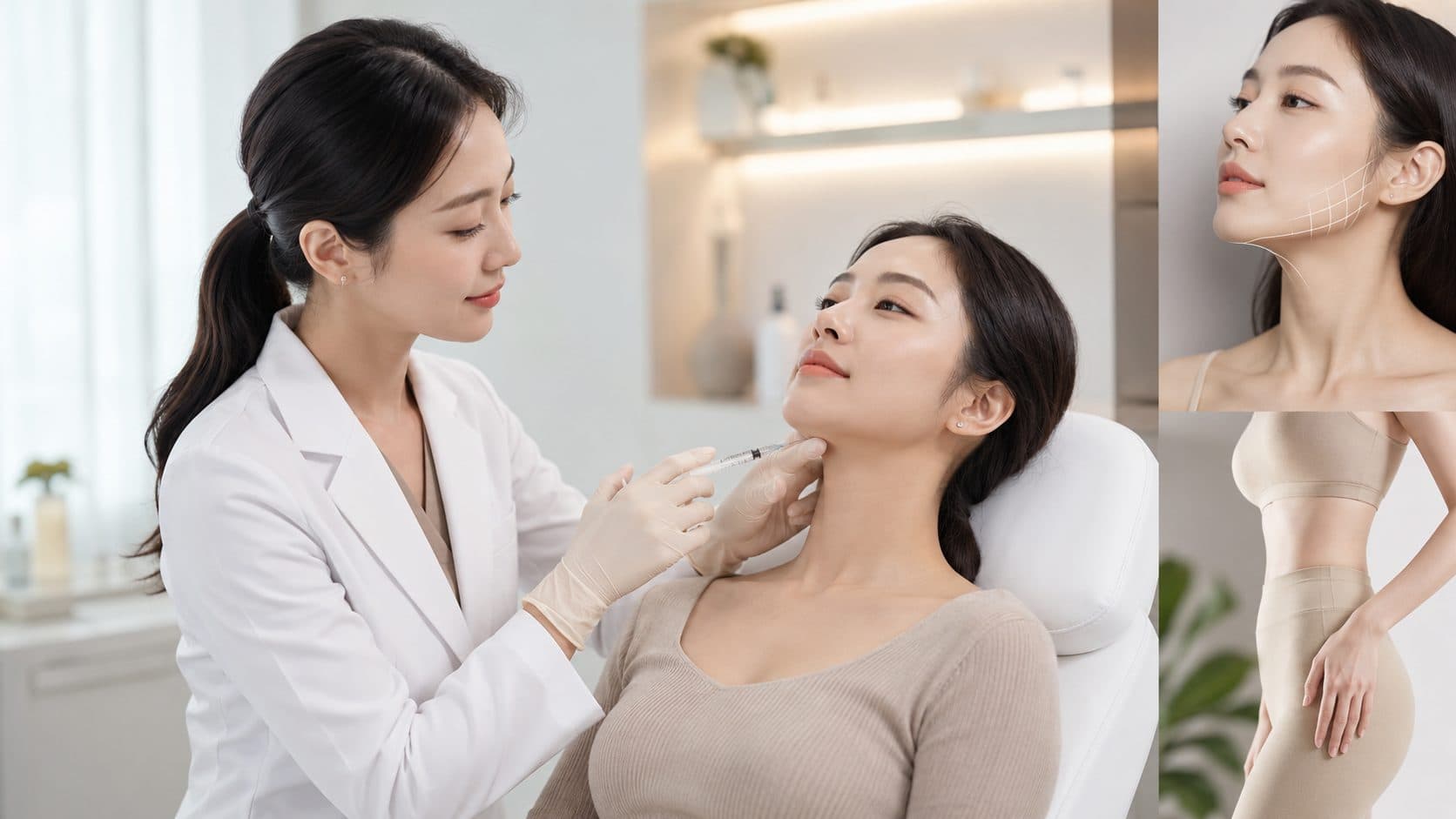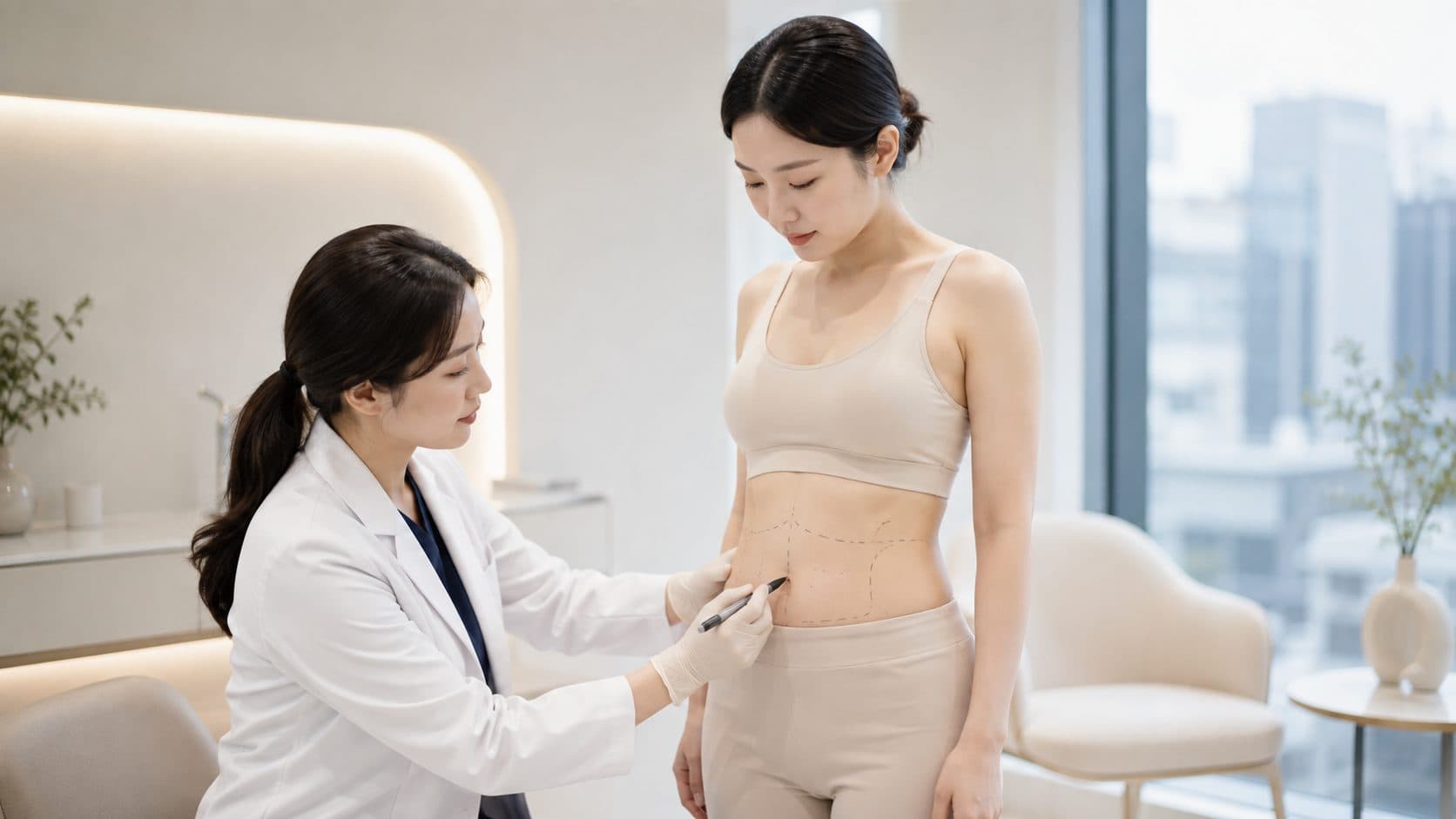

Korean glass skin treatment can mean very different things once you start comparing Seoul clinics.
One clinic may mean a hydrating facial. Another may mean a peel, laser, microneedling, or injectable.
If you only have a few days in Korea, that difference matters. It changes downtime, risk, cost, and follow-up.
The smartest starting point is not the trend name. It is the skin concern you actually want to improve.
This guide helps you match that concern to the right treatment family, then compare the plan properly.
Comparing “glass skin” options in Korea? Start with the concern, treatment type and expected recovery before comparing package names. |
Quick Answer
There is no single standardized Korean glass skin treatment.
Clinics may use the phrase for hydration-focused facials, chemical peels, lasers, microneedling, or injectable skin boosters.
Start with your main concern. Then confirm the exact procedure, product or device, practitioner, expected reaction, and complete price.
Key Takeaways
“Glass skin” is a cosmetic goal, not a diagnosis or guaranteed result.
Dryness, congestion, pigmentation, acne scars, and laxity need different treatment plans.
Facials and superficial peels often focus on hydration, congestion, and surface texture.
Skin boosters are injections, not upgraded facials, and should be compared by exact product.
A short Seoul trip makes downtime and follow-up part of the treatment decision.
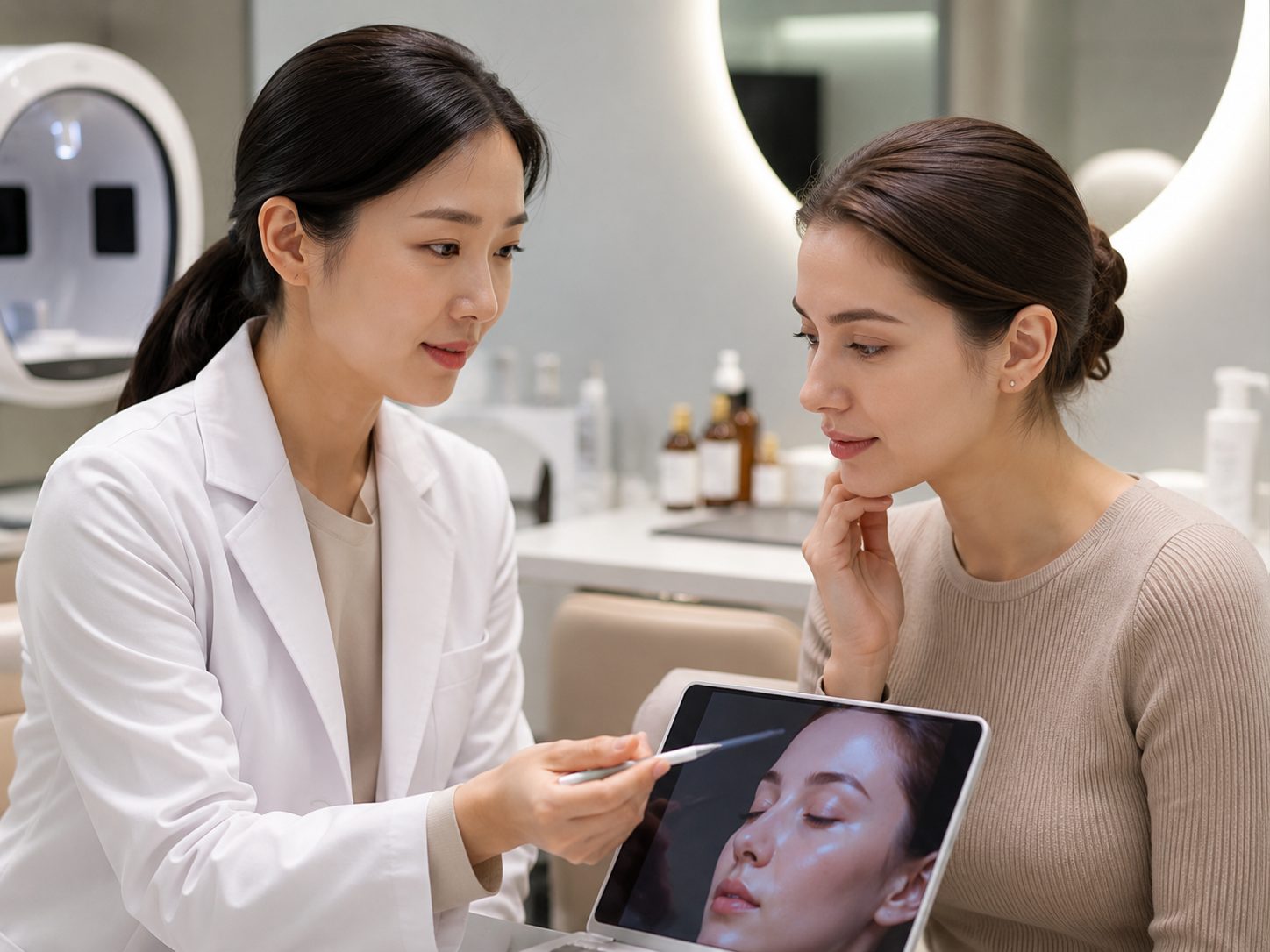
Korean Glass Skin Treatment: What Does “Glass Skin” Actually Mean?
A Korean glass skin treatment is better understood as a goal-led plan than one defined procedure.
The phrase usually describes skin that appears smooth, hydrated, even-toned, and luminous. It does not identify the cause of dullness or texture.
A dehydrated complexion needs a different approach from active acne, melasma, or acne scarring.
Fornur’s current Lienjang facial listing makes the same boundary clear. Its Glass Skin Facial is described as a cosmetic programme, not a guaranteed outcome.
Start With the Skin Concern, Not the Package
Main concern | Treatment family that may be discussed | What to confirm |
Dry or dehydrated-looking skin | Hydrating facial or selected hydrating peel | Products, exfoliation, sensitivity |
Blackheads or surface congestion | Cleansing, extraction, Aqua Peel, selected peel | Areas, extraction, redness |
Dull or uneven surface texture | Chemical peel or selected facial | Ingredients, strength, recovery |
Pigmentation or uneven tone | Pigment assessment, selected peel or laser | Diagnosis, device, skin tone |
Acne scars or persistent texture | Microneedling or selected laser | Device, sessions, downtime |
Injectable skin-quality goals | Skin booster | Product, quantity, injection method |
Skin laxity or firmness | Lifting or tightening device | Exact device and treatment goal |
Facials and Peels: When Surface Treatment Makes Sense
A hydration-focused facial can suit dryness, temporary dullness, or surface buildup.
Ask whether the appointment includes acids, extraction, devices, masks, or other active ingredients.
Chemical peels work differently. They use an exfoliating solution, with depth determined by the formulation and application.
The American Academy of Dermatology says peels can address selected acne, discoloration, dullness, and rough texture.
Some peels require visible recovery. Stronger is not automatically better before photographs, events, or travel.
Fornur lists facial skincare at Lienjang Clinic Gangnam, including hydration, exfoliation, and congestion-focused options.
Lasers: Useful Only When the Target Is Clear
Laser treatment should not be chosen because a clinic calls it a “glass skin laser.”
Pigmentation, freckles, post-inflammatory marks, melasma, redness, and scars can require different devices and settings.
Skin tone and pigment history also change risk. A 2024 systematic review found laser therapy can improve post-inflammatory hyperpigmentation, but worsening was reported.
Fornur lists PicoSure laser rejuvenation at UPIC Clinic Myeongdong for selected pigmentation and uneven-tone concerns.
Confirm the exact device, target, session plan, expected skin reaction, and aftercare.
Microneedling: Better Matched to Texture Than “Instant Glow”
Microneedling creates controlled punctures in the skin. It is commonly discussed for acne scars and uneven texture.
It is not the same as a hydrating facial.
The U.S. FDA lists risks including redness, bruising, bleeding, crusting, pigment changes, herpes reactivation, and infection.
If texture or acne scarring is the main concern, compare the broader Facial Treatments in Korea guide.
Skin Boosters: An Injectable Route, Not a Facial Upgrade
Skin boosters are often marketed beside “glow” treatments, but they belong to a different risk category.
The term can include hyaluronic-acid injectables, polynucleotides, and other materials.
A 2025 meta-analysis found improved hydration and radiance after local hyaluronic-acid injections.
The included products and protocols varied, so the finding does not apply equally to every marketed skin booster. Melanin-index improvement was not significant.
Polynucleotide evidence is promising but less settled. A 2025 systematic review included nine low- or moderate-quality studies involving 219 patients.
It reported possible improvements in wrinkles, texture, and elasticity, but noted variable techniques and limited consensus.
Use the Fornur Skin Booster Korea guide when comparing Rejuran, Juvelook, and other injectable options.
Korean Glass Skin Treatment Cost: What Changes the Quote?
Korean glass skin treatment cost depends on what the package actually contains.
There is no useful nationwide price for a label covering several different procedures.
Ask whether the quote includes:
skin consultation or imaging
cleansing and preparation
peel or facial products
laser device and treatment area
injectable product and quantity
numbing, extraction, or add-ons
VAT and aftercare
follow-up or additional sessions
A low headline price can change once product quantity, device, VAT, and follow-up are included.
Want a treatment quote you can actually compare? Share your skin concern, travel dates and acceptable downtime. Ask for the exact procedure and complete written price. |
How Much Downtime Should You Plan in Seoul?
Downtime depends more on the procedure than the “glass skin” label.
A simple hydrating facial may cause little visible reaction. Extraction or peels can leave redness, dryness, or flaking.
Lasers can cause redness, swelling, sensitivity, or pigment changes. Microneedling can leave temporary redness and discomfort.
Skin boosters can cause swelling, bruising, or visible injection-site bumps.
Tell the clinic your flight date and the amount of visible recovery you can accept.
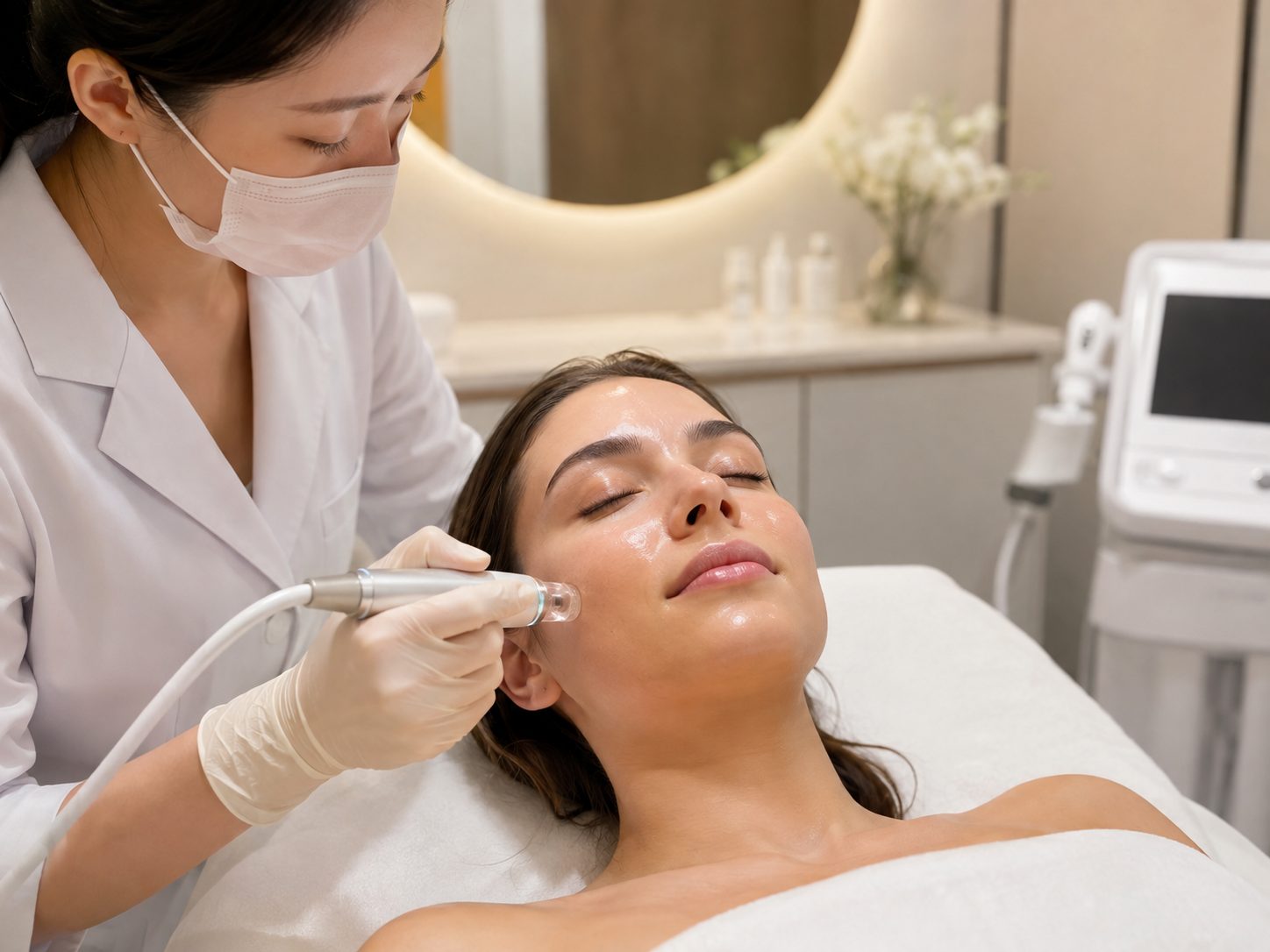
What to Ask Before Booking a Korean Glass Skin Treatment
A useful consultation should turn a vague glow goal into an exact treatment plan.
Ask:
1. What skin concern are you treating?
2. What is the exact procedure?
3. Which product, peel, injectable, or device will be used?
4. Who performs each treatment stage?
5. What visible reaction should I expect?
6. What could make treatment unsuitable?
7. How many sessions are proposed, and why?
8. What does the written price include?
9. What aftercare is required?
10. Who handles concerns after I leave Korea?
If the recommendation changes after examination, ask why. A good plan should become more specific after assessment.
Planning Treatment in Korea as an International Patient
Short trips reward conservative scheduling.
Leave time for consultation, treatment, early review, and unexpected redness or swelling.
Bring a list of medicines, allergies, active skincare ingredients, previous procedures, and known reactions.
Clear photographs can support an initial enquiry. They cannot diagnose pigmentation, acne, or another condition.
Medical Korea maintains a directory of institutions registered to serve foreign patients, updated in July 2026.
Registration can support provider verification. It does not guarantee a cosmetic result.
How Fornur Can Help
Fornur helps international patients compare available Skin & Aesthetic services and request consultations with participating clinics.
The consultation request through Fornur can be free. Medical and cosmetic treatments remain paid unless the clinic confirms otherwise.
The treating clinic must confirm suitability, procedure details, pricing, recovery, and follow-up.
Ready to compare the complete treatment plan? Fornur can help you request current treatment details, availability and pricing from participating clinics. |
Conclusion
Korean glass skin treatment makes more sense when “glass skin” stops being treated as the diagnosis.
Decide whether the real concern is dehydration, congestion, pigmentation, texture, acne, scarring, or laxity.
Then compare the exact procedure, evidence, practitioner, downtime, complete price, and follow-up.
For international patients, the strongest plan still makes sense after the trend name disappears.
Medical note: This guide provides general education. It does not diagnose skin conditions, select procedures, or replace an in-person clinical assessment.
Related Fornur Content
How This Guide Was Prepared
This guide is designed to help foreign residents and visitors understand common questions before making a decision. Details should always be confirmed directly with the relevant provider or an appropriately qualified professional.
- Author
- Mustafa
- Last reviewed
- October 24, 2026