
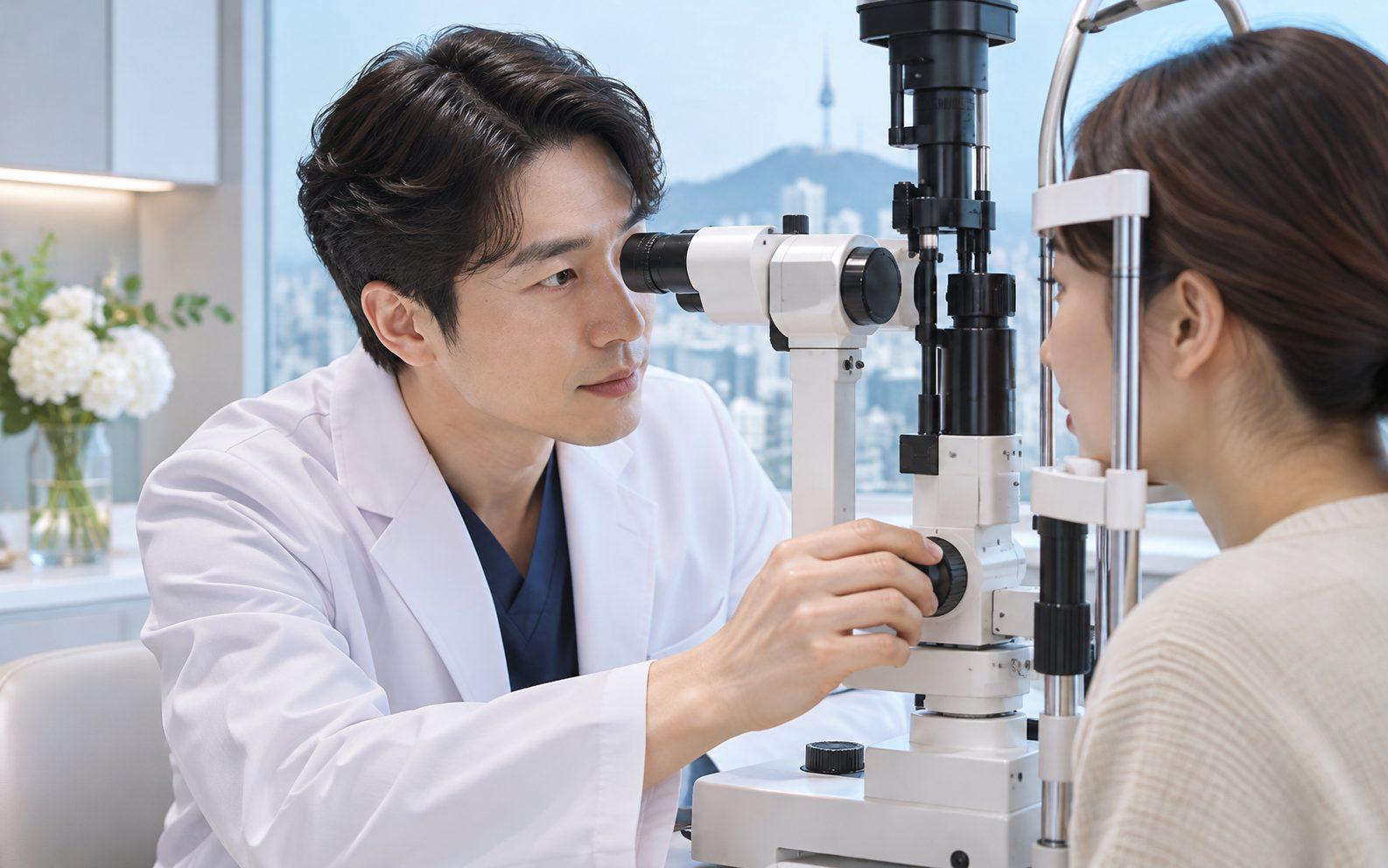
Compare LASEK and PRK surgery in Korea, including surface-laser techniques, eligibility checks, recovery and questions to ask before contacting a clinic.
Clinic details and exact pricing will be shared after we review your consultation request.
LASEK and PRK are surface-laser eye surgeries used to correct selected refractive errors. Unlike LASIK, neither requires a corneal stromal flap. In conventional PRK, the surface epithelium is removed before excimer laser treatment. In LASEK, the epithelium is loosened and moved aside, then may be repositioned. TransPRK is another method and should not be assumed to be included.
An ophthalmologist must check prescription stability, corneal thickness and mapping, tear-film health, and other eye conditions before recommending either procedure. Early discomfort, light sensitivity and blurred vision can occur; recovery is generally slower than after LASIK. Risks include infection, haze, dry eye, glare, residual refractive error and rare serious complications. Neither procedure guarantees perfect vision or permanent freedom from glasses.
Before planning surgery in Korea, ask the clinic to confirm its actual technique, screening requirements, itemised fees, postoperative visits and follow-up after you return home.
Explore Fornur's Eye Care & Vision Correction services in Korea for a broader overview of refractive treatment options. Confirm individual procedure and appointment availability before planning travel.
Share your prescription history, medications and previous eye treatments. Complete corneal and dry-eye screening, and follow your surgeon's contact lens instructions.
Use prescribed eye drops, avoid rubbing your eyes and attend follow-up visits. Follow your surgeon's advice on driving, exercise and travel.
PRK and LASEK may cause temporary pain, blurred vision and light sensitivity. Risks include infection, corneal haze, dry eyes and visual disturbances. Results vary, and glasses may still be needed.
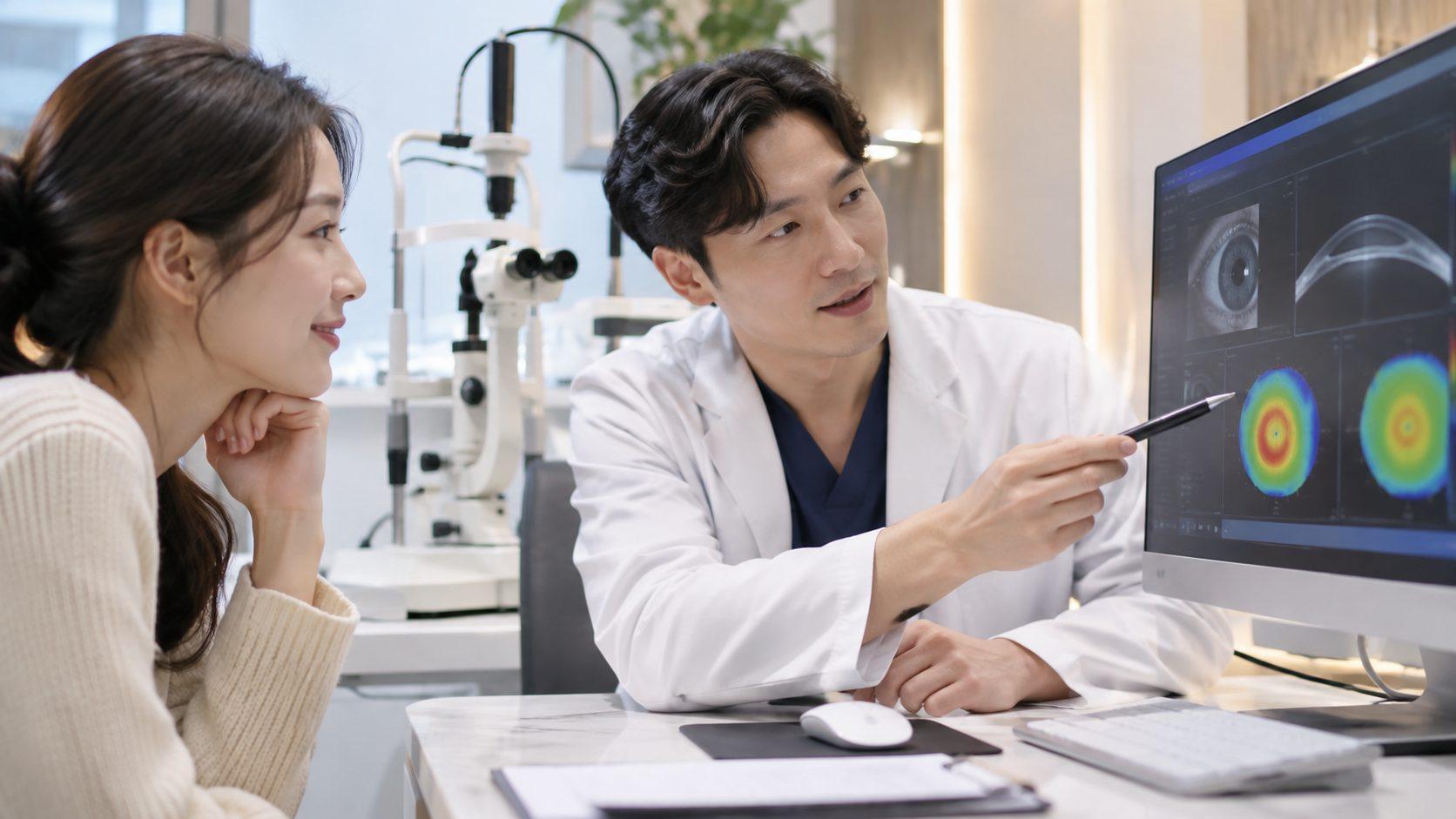

This page is general information, not medical advice. A licensed doctor will confirm whether this treatment is right for you.
Explore more you might be interested in.
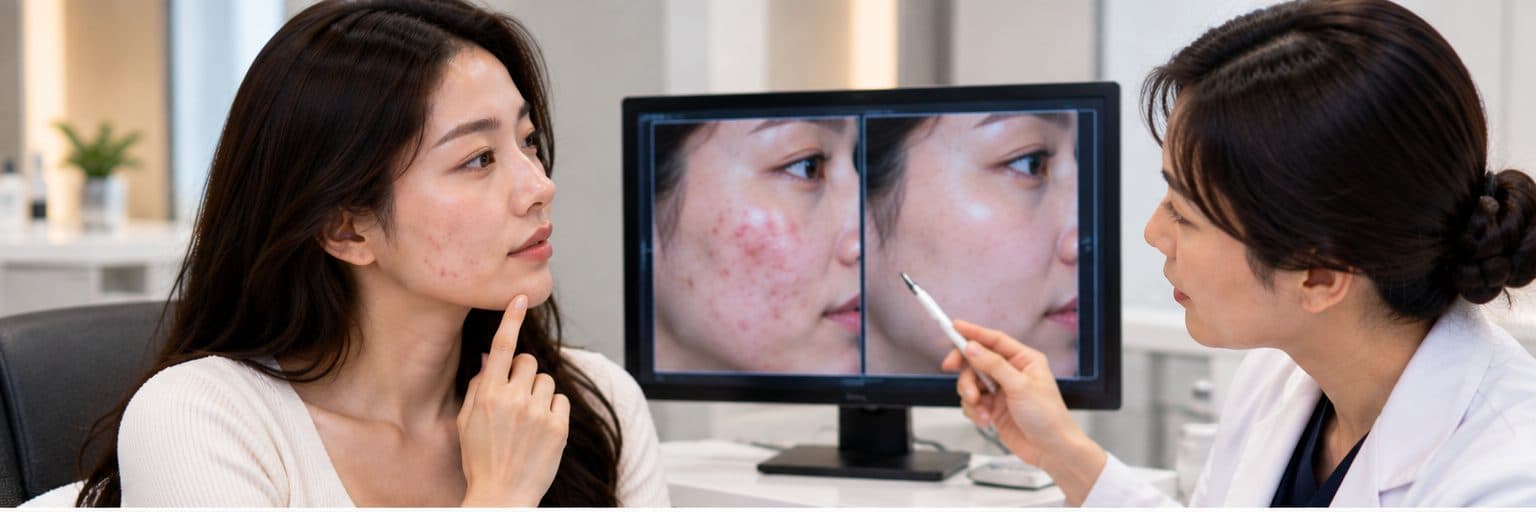 Skin & Aesthetic
Explore acne treatment in Korea for clogged pores, inflamed breakouts and recurring acne. Understand medical options, risks and the questions to ask before planning care in Seoul
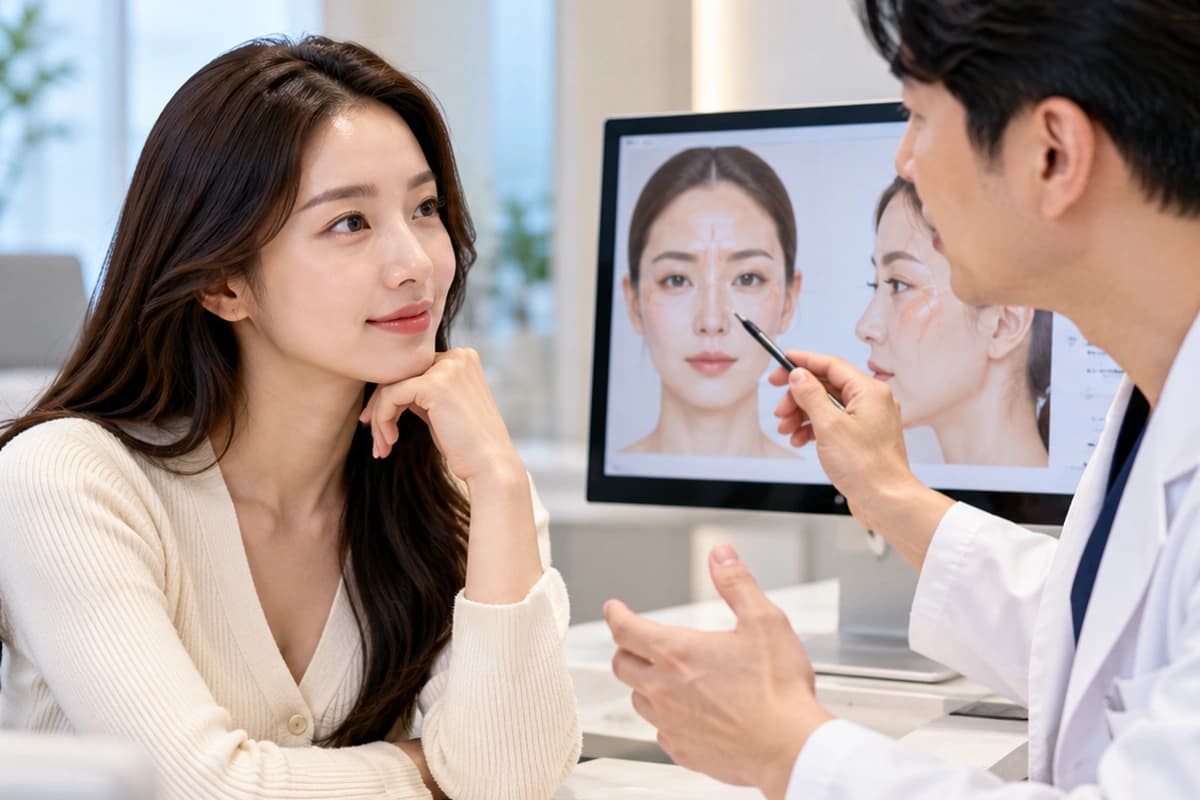 Plastic Surgery
Explore adipose-derived stem cell programs in Korea involving fat collection, processing and selected clinical applications. The exact service and suitability require individual medical assessment.
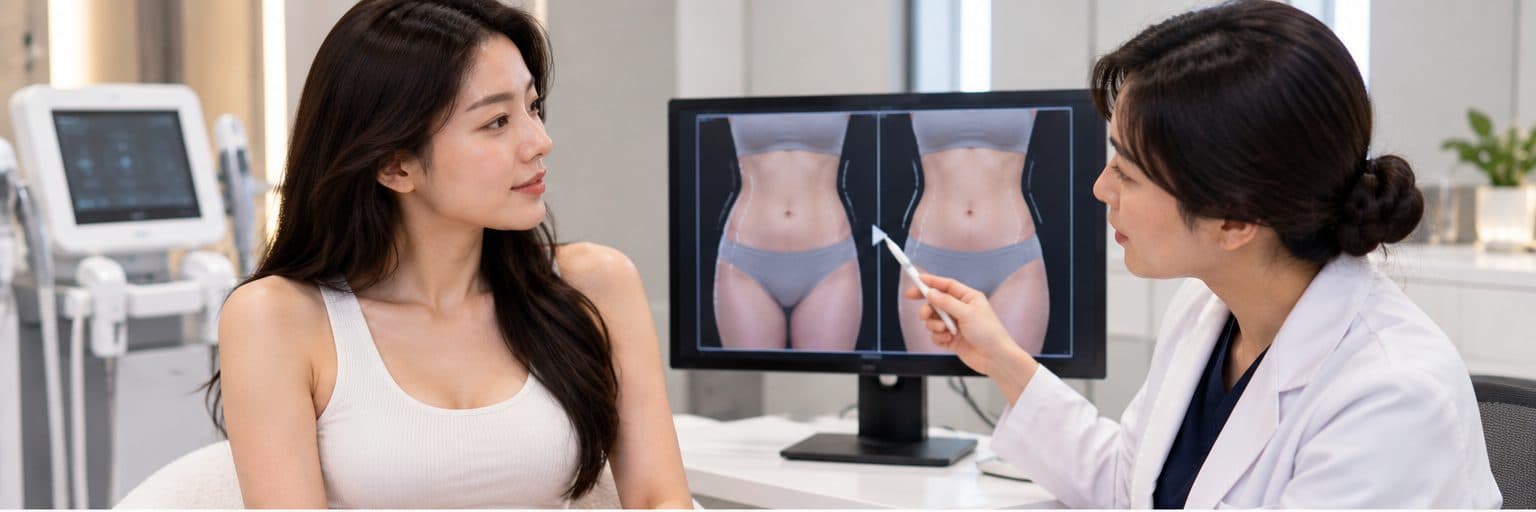 Skin & Aesthetic
Non-surgical body contouring in Korea uses external energy-based devices to address selected areas of localised fat, reduced skin firmness or contour concerns. Compare Seoul options through Fornur.
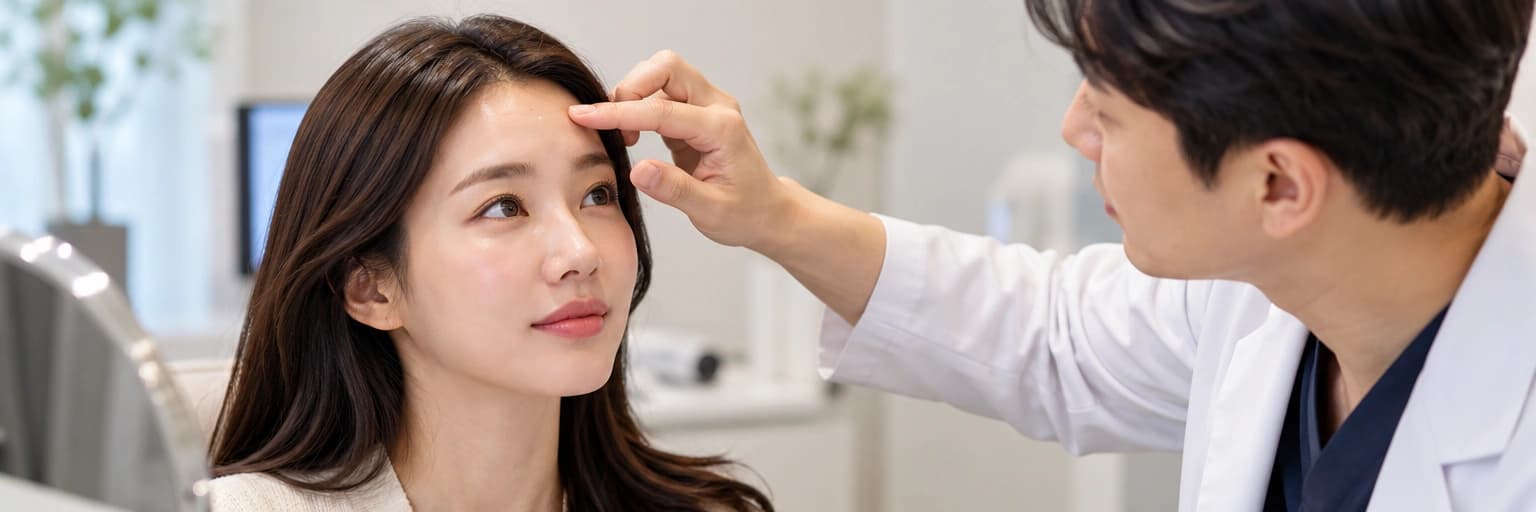 Skin & Aesthetic
Botox in Korea refers to botulinum toxin treatment used to temporarily reduce selected muscle activity. Compare treatment areas, products, cost factors and Seoul clinic options.
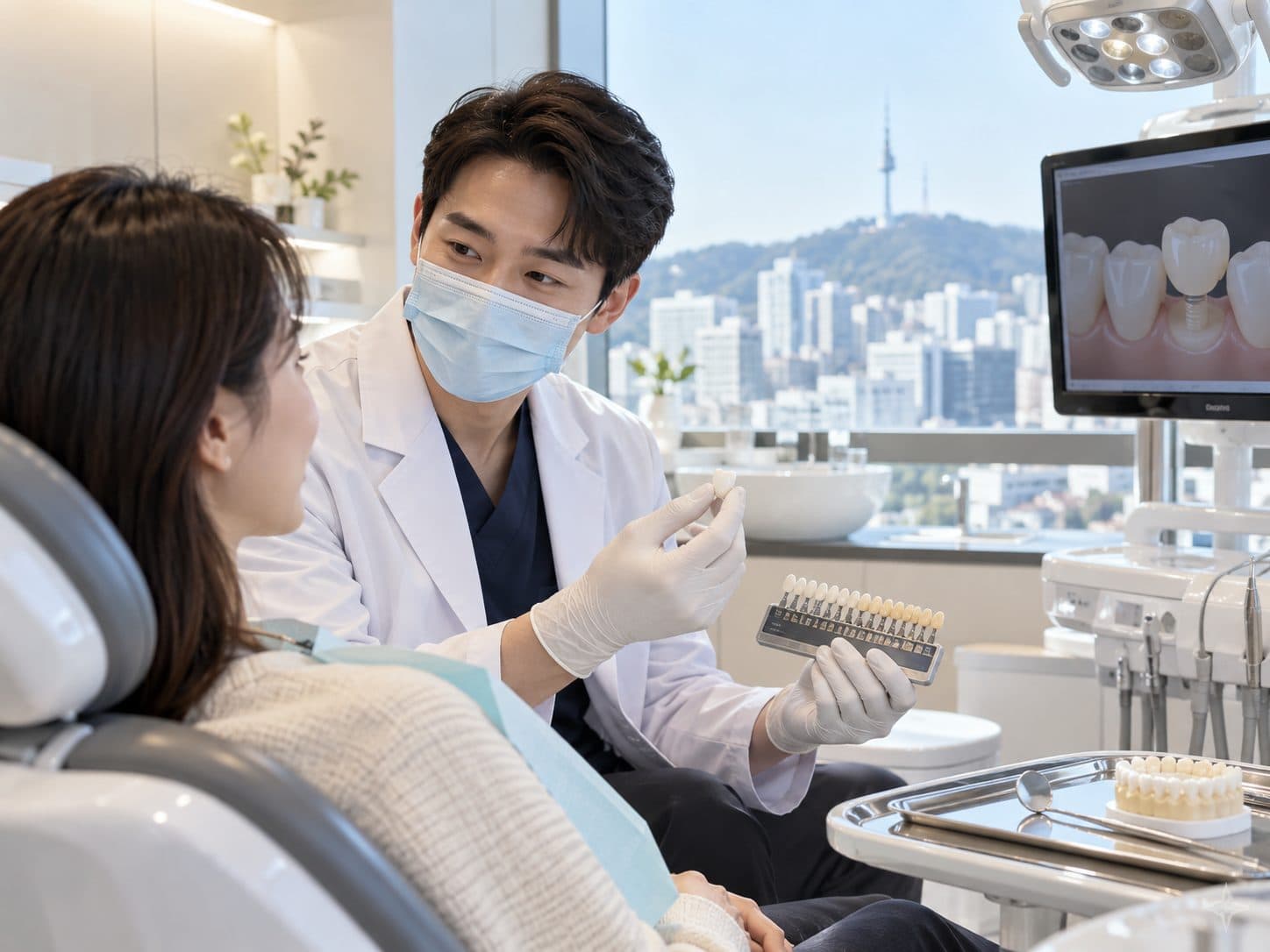 Dental
Ceramic crowns in Korea are tooth-coloured restorations used to cover and protect selected damaged or weakened teeth. Learn about treatment, materials, cost factors and Seoul dental options.
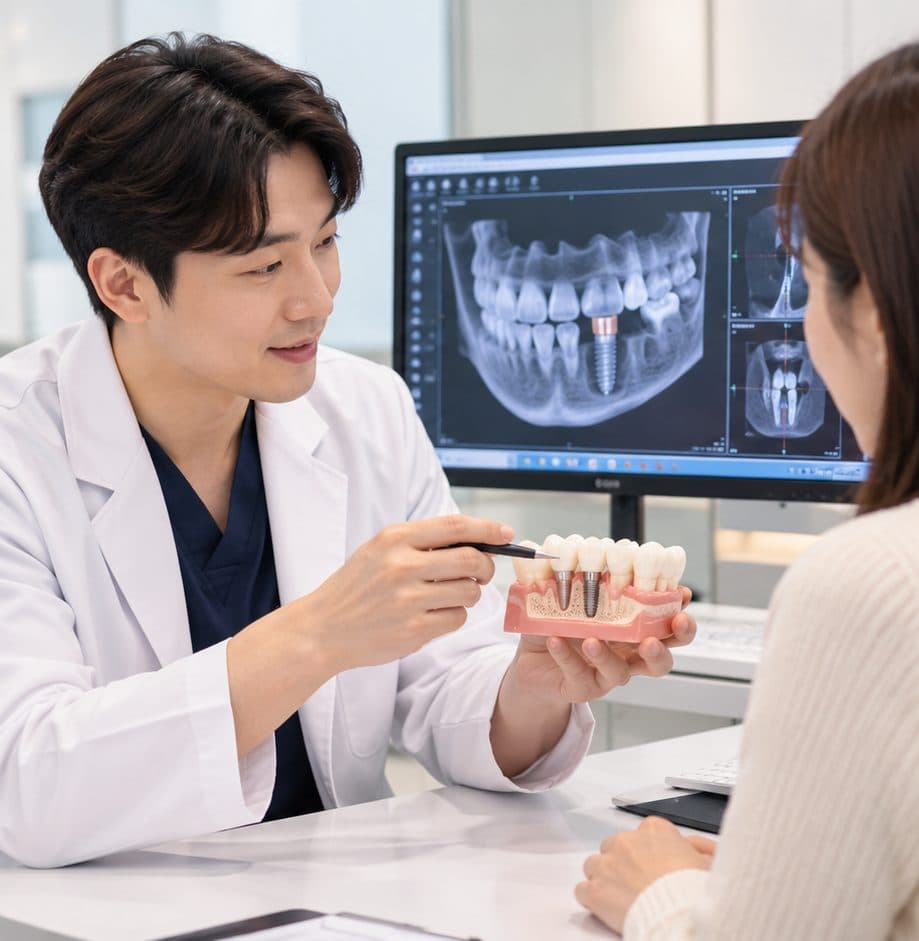 Dental
 implants in Korea replace selected missing teeth using an implant placed in the jawbone and a custom restoration. Learn about treatment stages, cost factors, healing and Seoul dental options.
Explore more you might be interested in.
 Beauty & Medical
What does a dental implant cost in Korea? Compare 2026 published fee data, complete quote components, staged visits and follow-up questions for visitors.
 Beauty & Medical
Considering calf Botox for muscle-related leg slimming in Seoul? Compare verified service information, realistic results, cost factors and potential walking or balance risks.
 Beauty & Medical
Explore men's rhinoplasty in Korea, including bridge and tip changes, breathing assessment, cost factors, recovery and clinic-selection questions for international patients.
 Beauty & Medical
Compare epicanthoplasty vs lateral canthoplasty in Korea. Learn how inner and outer eye-corner surgery differ, including risks, scars, recovery, costs and what to ask before choosing a Seoul clinic.
