

Facial fat grafting in Korea uses your own fat to restore selected facial volume, including under-eye hollows when appropriate. Explore recovery, risks and consultation options through Fornur.
Clinic details and exact pricing will be shared after we review your consultation request.
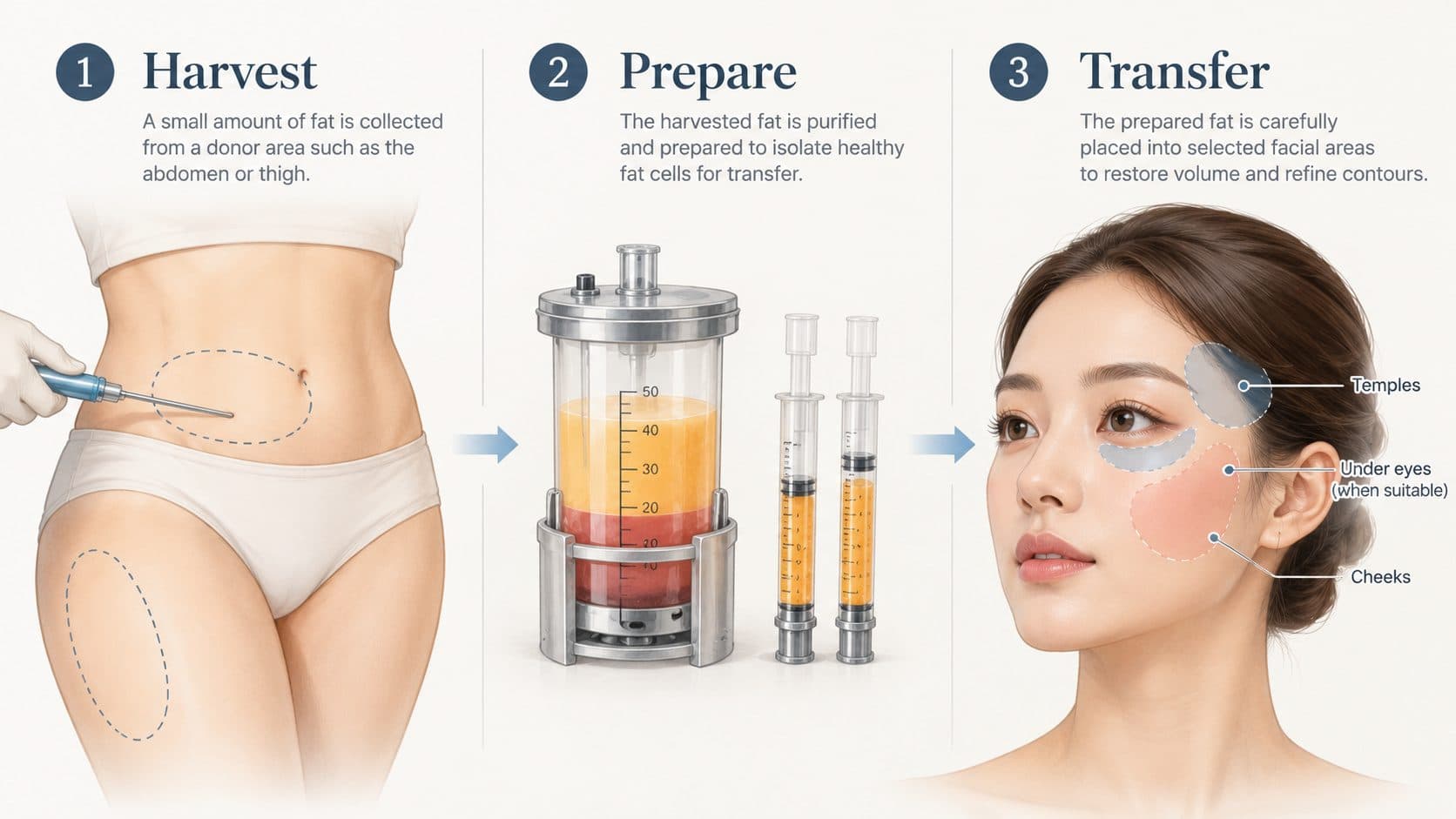
Facial fat grafting in Korea transfers fat harvested from another part of the body to selected facial areas. The fat is prepared and placed to restore volume or refine contours, including in the cheeks and temples.
Under eye fat transfer may address selected hollows beneath the eyes. It uses fat collected elsewhere in the body and differs from lower-eyelid fat repositioning, which moves existing fat.
Some transferred fat is reabsorbed during healing. Suitability, treatment areas and recovery require surgical assessment.
Explore Plastic Surgery in Korea, compare Dermal Fillers, or enquire through Fornur.
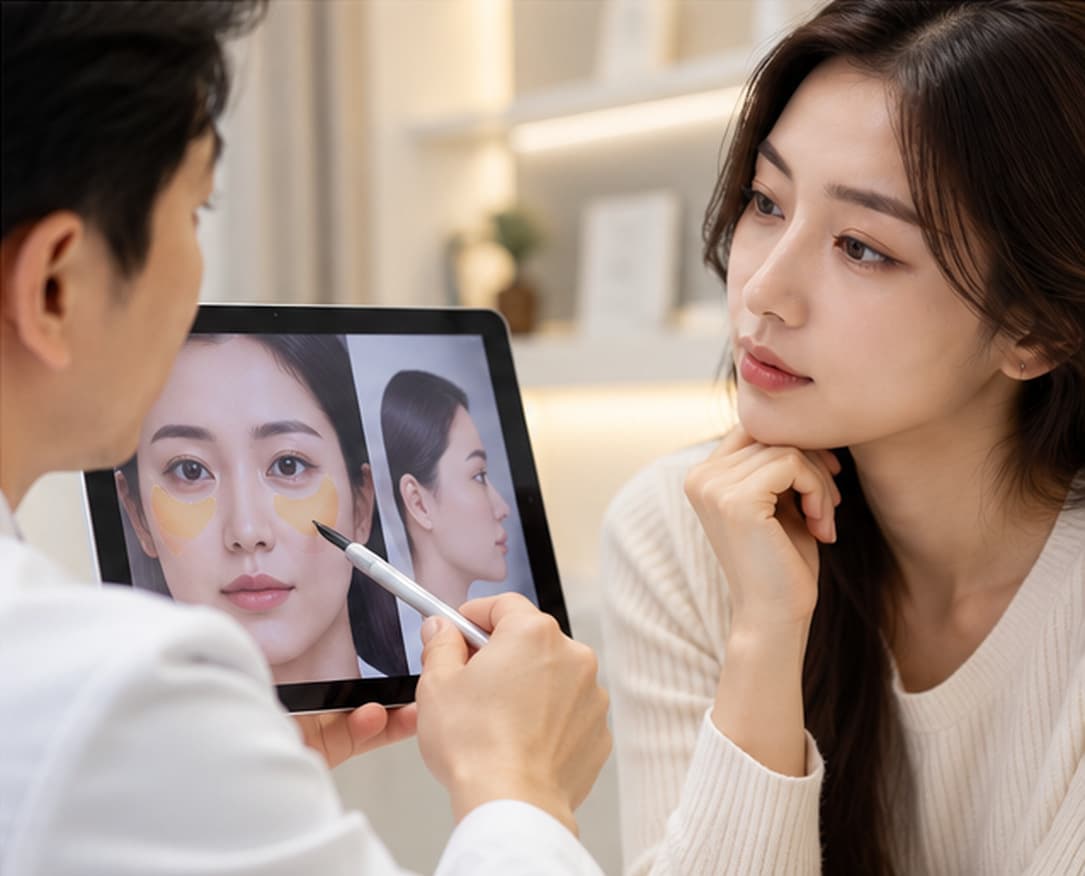
Discuss the facial areas requiring volume restoration. Confirm the fat donor area and harvesting method. Disclose previous procedures, medicines, allergies and relevant conditions. Ask about fat retention, asymmetry and possible complications. Confirm the surgeon, anaesthesia, total cost and follow-up plan.
Follow instructions for both donor and facial treatment areas. Avoid unnecessary facial pressure or massage unless advised. Follow the surgical team's activity and exercise restrictions. Attend scheduled reviews to assess healing and volume retention. Seek medical assessment for worsening pain, fever or unusual swelling.
Facial fat grafting involves fat harvesting and transfer. Risks include swelling, bruising, infection, bleeding, contour irregularities, fat necrosis, asymmetry and loss of transferred volume. Rare but serious vascular complications, including vision injury, have been reported with facial fat injection. Results depend on surgical technique, anatomy and healing. Additional grafting may sometimes be required. The procedure should be planned and performed by an appropriately qualified clinician.
This page is general information, not medical advice. A licensed doctor will confirm whether this treatment is right for you.
Explore more you might be interested in.
 Plastic Surgery
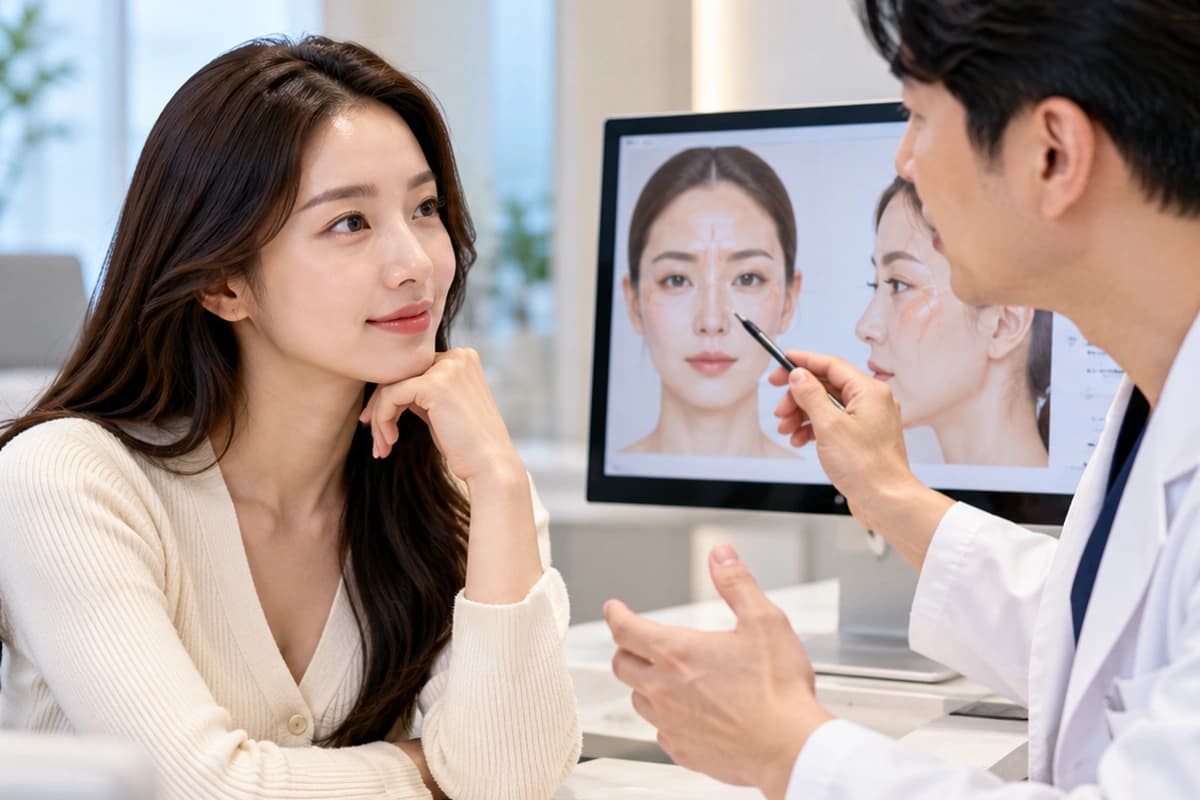
Explore adipose-derived stem cell programs in Korea involving fat collection, processing and selected clinical applications. The exact service and suitability require individual medical assessment.
 Plastic Surgery
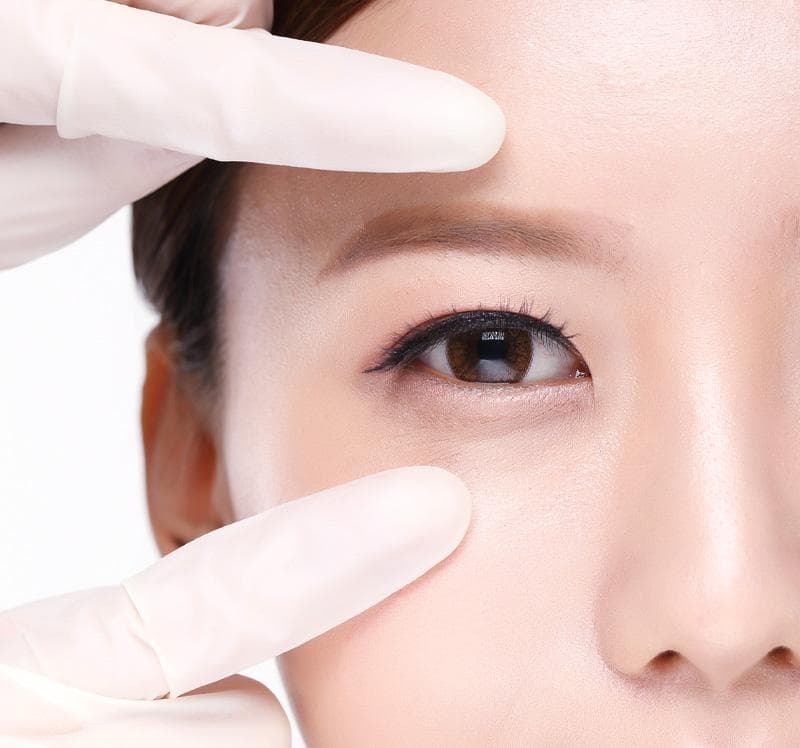
Explore lateral canthoplasty and epicanthoplasty in Korea. These eye-corner procedures address different concerns involving the outer and inner corners of the eyes, with treatment tailored to individual anatomy.
 Plastic Surgery
Facelift surgery in Korea addresses selected facial sagging, jowls and lower-face contours. Explore surgical techniques, recovery and consultation options through Fornur.
 Plastic Surgery
Buccal fat removal in Korea is surgery to reduce selected lower-cheek fullness. Explore facial fat removal options, recovery, risks and consultation information through Fornur.
 Plastic Surgery
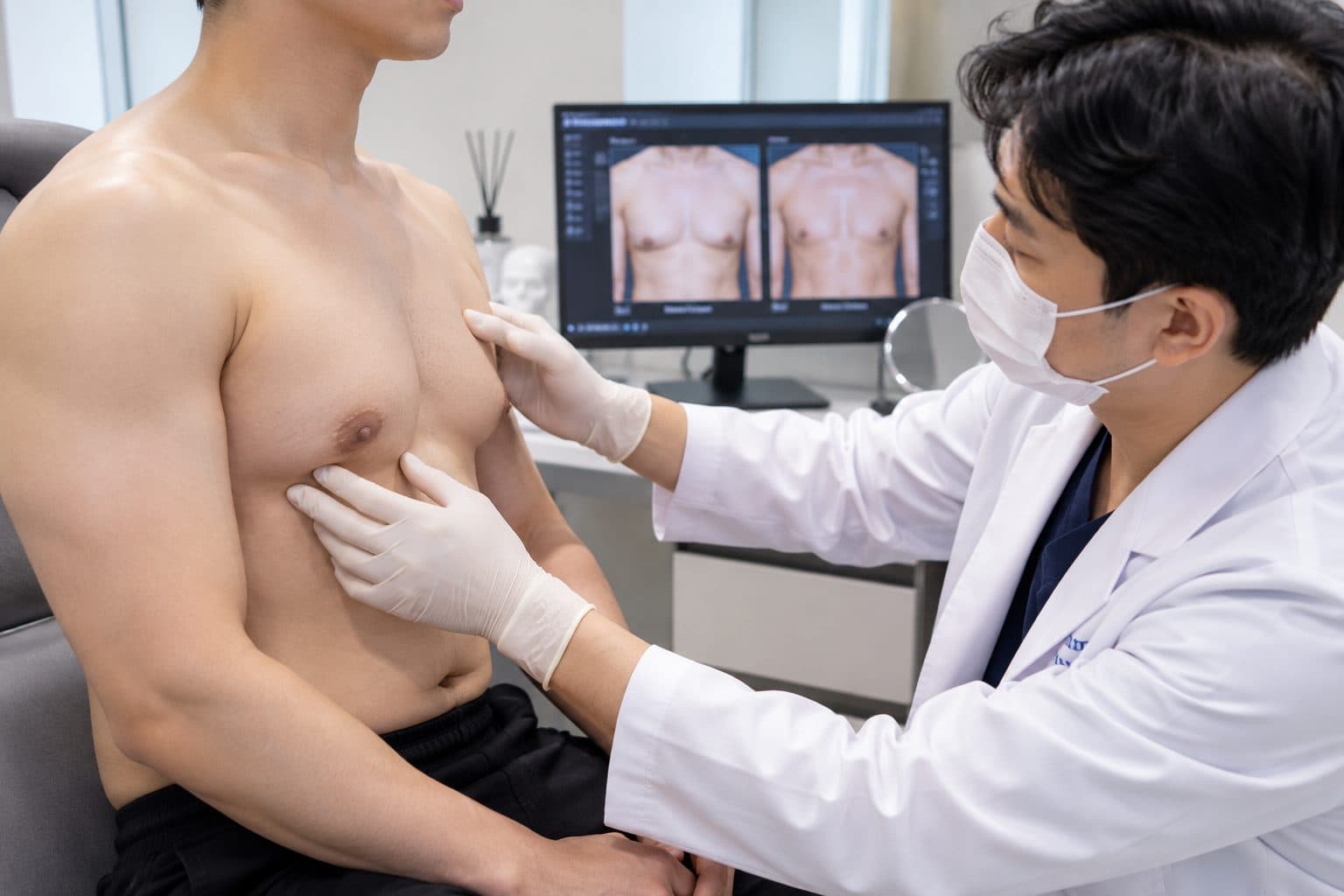
Gynecomastia surgery in Korea reduces selected excess male breast tissue using liposuction, gland excision or a combination of techniques. Compare Seoul options and request a consultation through Fornur.
 Plastic Surgery
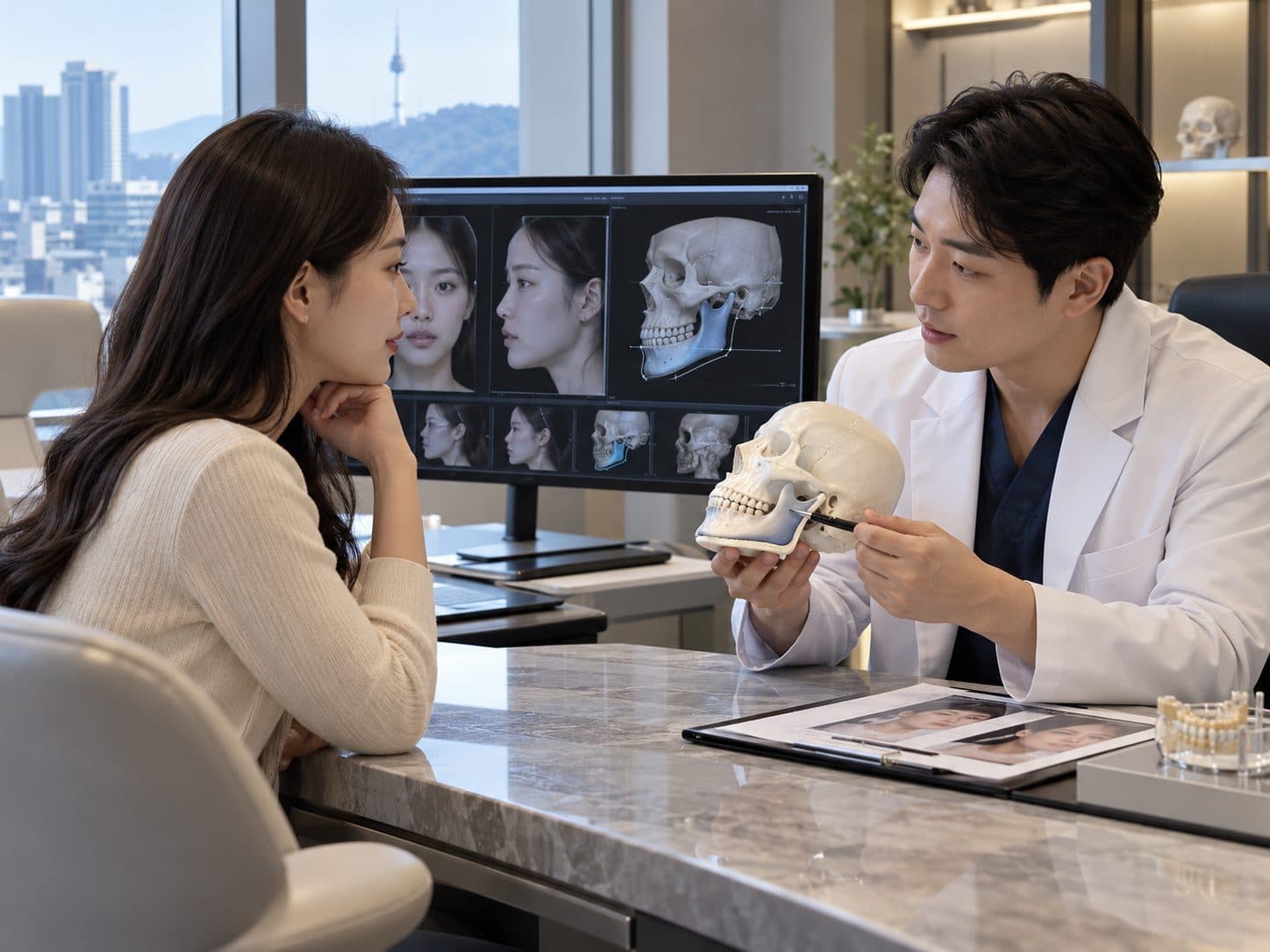
Surgical jaw reduction in Korea reshapes selected areas of the lower jaw bone to reduce skeletal width or prominence. Learn about suitability, recovery, risks and cost factors.
Explore more you might be interested in.
 Beauty & Medical
Compare Korean laser skin treatment prices with confidence. Learn what affects quotes, how laser options differ, what costs may include, and what international patients should confirm before booking.
 Beauty & Medical
Explore Korean glass skin treatments, including facials, peels, lasers, microneedling, and skin boosters, with practical guidance on results, downtime, costs, and choosing the right option in Korea.
 Beauty & Medical
Explore Korean veneers, including materials, tooth preparation, cost factors, longevity, risks, and the key questions international patients should ask before choosing cosmetic dental treatment in Korea.
 Beauty & Medical
Explore laser hair removal in Korea, including session planning, cost factors, skin-tone considerations, expected results, aftercare, and the key questions international patients should ask before booking.