

코성형 / 비성형
Explore nose jobs in Korea, including rhinoplasty for selected bridge, tip, nostril and structural concerns. Compare surgical options, cost factors, recovery and clinic considerations.
We're preparing Fornur Medical to help international residents access healthcare services in Korea. Consultation, clinic matching and reservation support will become available after completion of the required registration.
Clinic details and exact pricing will be shared after we review your consultation request.
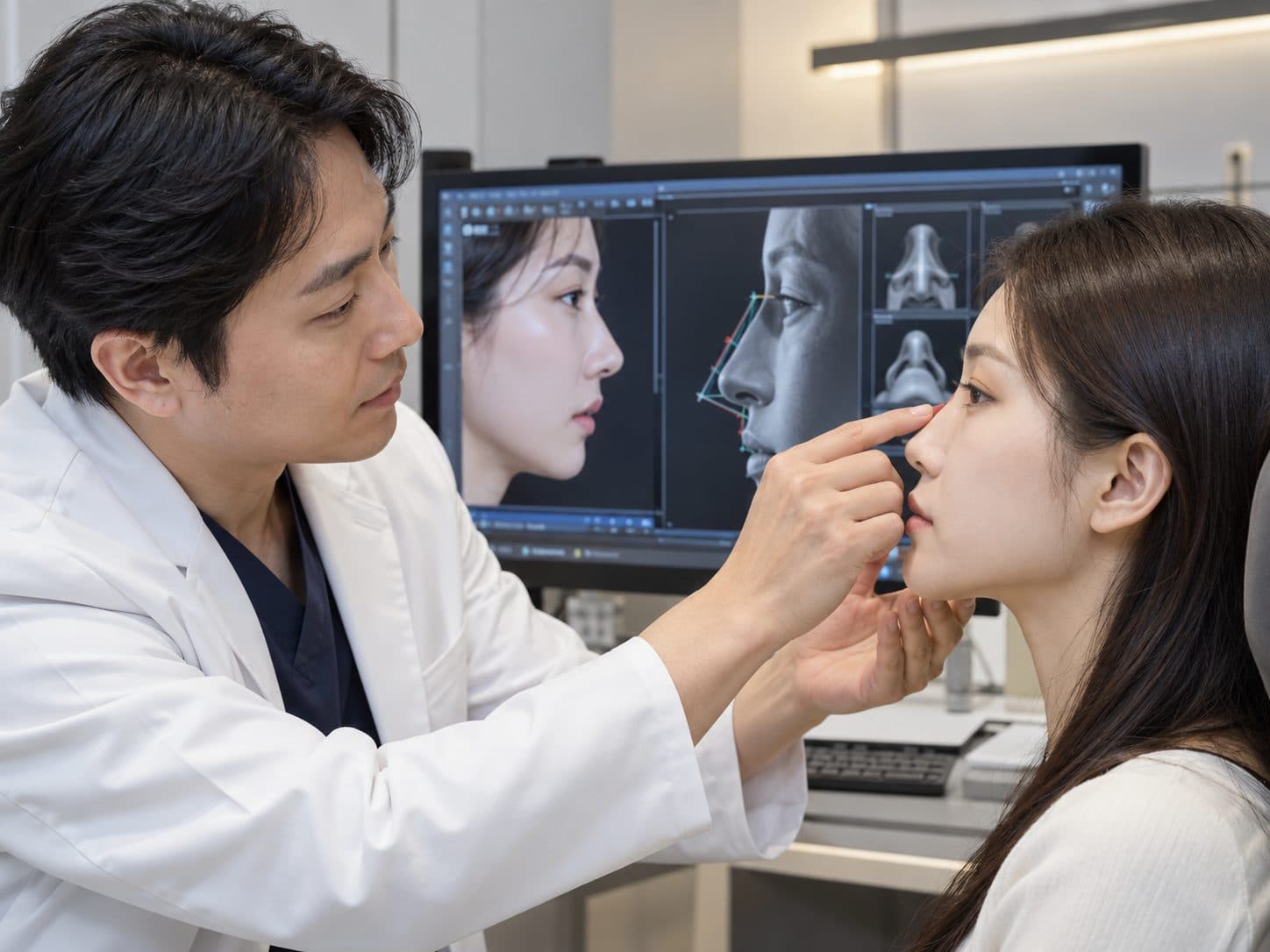
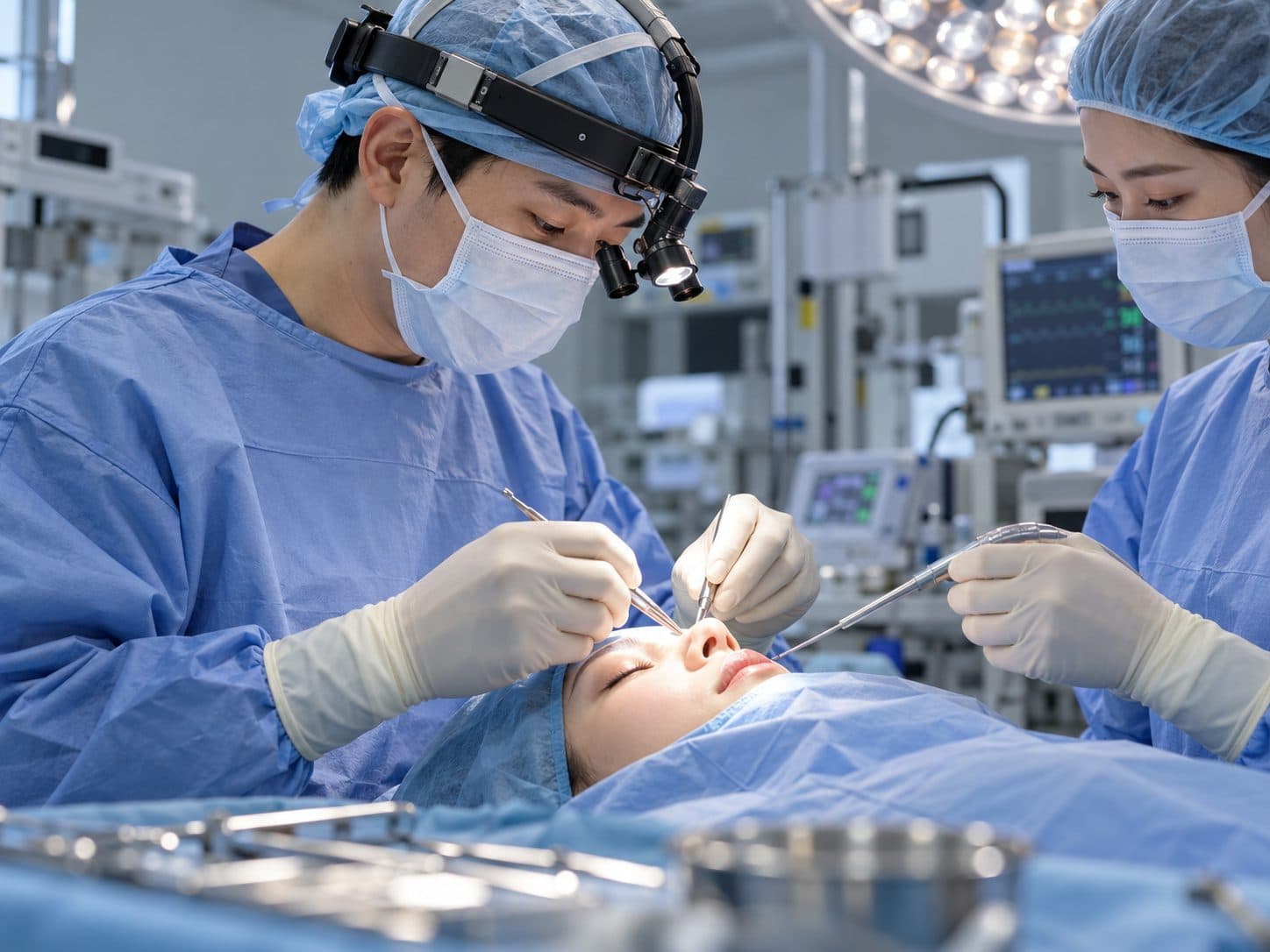
Rhinoplasty is nose surgery used to change selected aspects of nasal shape, structure or function. A Korean nose job may involve the bridge, nasal tip, nostrils, septum or a combination depending on anatomy and treatment goals.
Surgical plans can include augmentation, reduction, cartilage reshaping, grafting, tip refinement or alar-base changes. Open and closed rhinoplasty describe surgical access rather than a measure of treatment quality.
Patients researching techniques, materials and planning in greater depth can read the Asian Rhinoplasty Korea guide. For broader surgical options, explore Plastic Surgery in Korea.
Explain your cosmetic and breathing concerns Share previous nose filler or nasal surgery Disclose medical conditions, medicines and allergies Confirm which structures will be changed Ask whether grafts or implants are proposed Confirm the surgeon, facility and anaesthesia plan Request an itemised quotation Confirm postoperative reviews and travel timing
Follow instructions for splint, wound and nasal care Avoid pressure or trauma to the nose Follow exercise and activity restrictions Attend scheduled postoperative reviews Follow clinic guidance before flying Seek medical assessment for worsening pain, heavy bleeding, breathing difficulty or signs of infection
Rhinoplasty is surgery and carries risks including bleeding, infection, anaesthesia complications, scarring, breathing changes, asymmetry and the possibility of revision surgery. Swelling can temporarily obscure the final nasal shape, and no specific nose shape or perfect symmetry can be guaranteed. Previous surgery, filler, nasal anatomy and healing response can affect both the surgical plan and result.
This page is general information, not medical advice. A licensed doctor will confirm whether this treatment is right for you.
Explore more you might be interested in.
 Plastic Surgery
Explore adipose-derived stem cell programs in Korea involving fat collection, processing and selected clinical applications. The exact service and suitability require individual medical assessment.
 Plastic Surgery
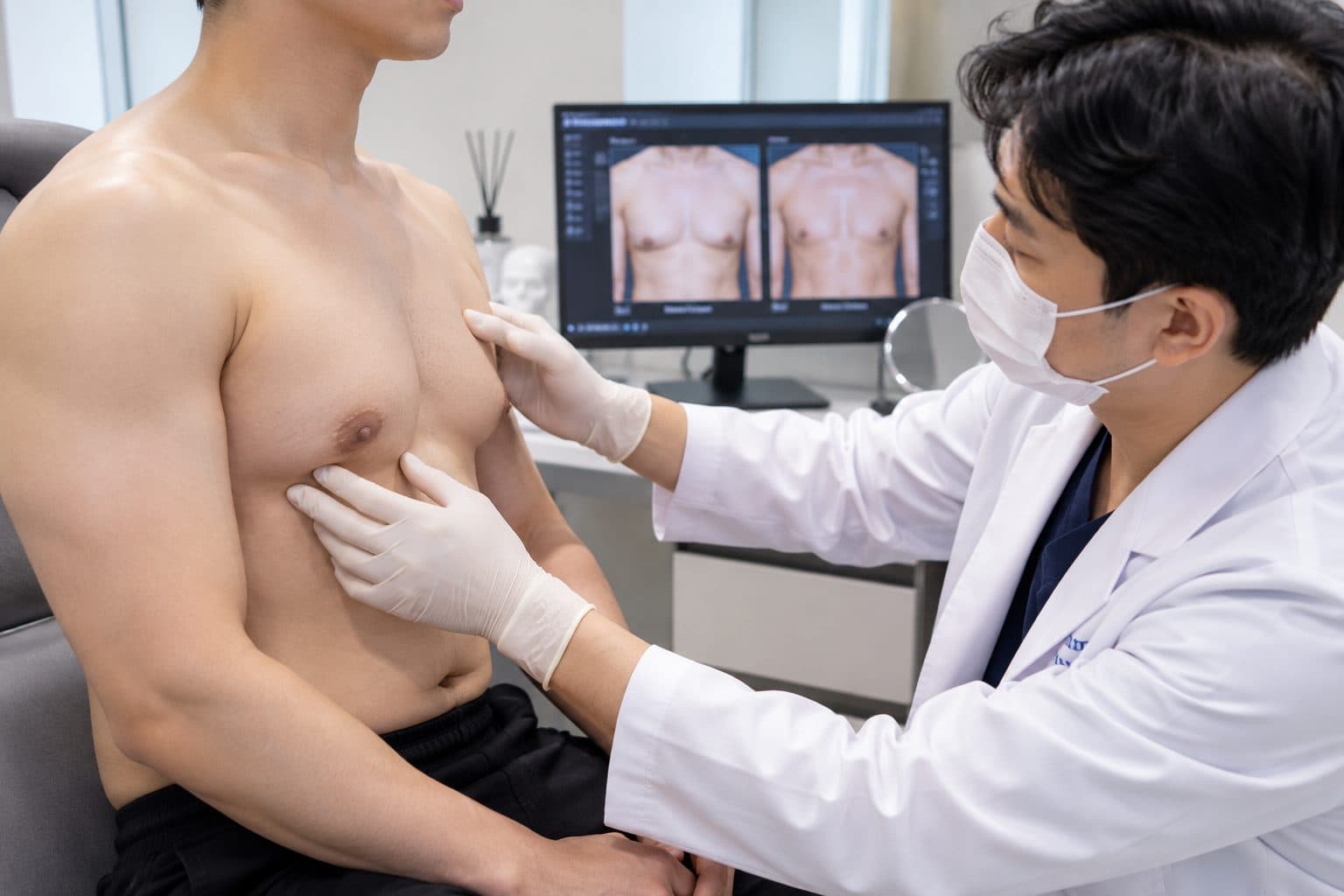
Gynecomastia surgery in Korea reduces selected excess male breast tissue using liposuction, gland excision or a combination of techniques. Compare Seoul options and request a consultation through Fornur.
 Plastic Surgery
Surgical jaw reduction in Korea reshapes selected areas of the lower jaw bone to reduce skeletal width or prominence. Learn about suitability, recovery, risks and cost factors.
 Plastic Surgery
Royal Liposuction in Korea is 365mc's surgical body-contouring programme for removing selected areas of subcutaneous fat with enhanced recovery and patient-support features.
 Plastic Surgery
A Korean thread lift uses absorbable threads placed beneath the skin to support and reposition selected facial tissues. Compare treatment areas, recovery, cost factors and clinic options in Seoul.
 Skin & Aesthetic
Acne treatment in Korea can combine medical skincare, prescription treatment and selected in-clinic procedures according to acne type and severity. Compare Seoul options through Fornur.
Explore more you might be interested in.
 Beauty & Medical
Compare Korean laser skin treatment prices with confidence. Learn what affects quotes, how laser options differ, what costs may include, and what international patients should confirm before booking.
 Beauty & Medical
Explore Korean glass skin treatments, including facials, peels, lasers, microneedling, and skin boosters, with practical guidance on results, downtime, costs, and choosing the right option in Korea.
 Beauty & Medical
Explore Korean veneers, including materials, tooth preparation, cost factors, longevity, risks, and the key questions international patients should ask before choosing cosmetic dental treatment in Korea.
 Beauty & Medical
Explore laser hair removal in Korea, including session planning, cost factors, skin-tone considerations, expected results, aftercare, and the key questions international patients should ask before booking.