
문신·점 제거
Explore tattoo and mole removal in Korea, including laser tattoo removal and clinically assessed mole removal. Treatment method, sessions and recovery vary by concern.
We're preparing Fornur Medical to help international residents access healthcare services in Korea. Consultation, clinic matching and reservation support will become available after completion of the required registration.
Clinic details and exact pricing will be shared after we review your consultation request.
Tattoo and mole removal are different procedures and should be assessed separately.
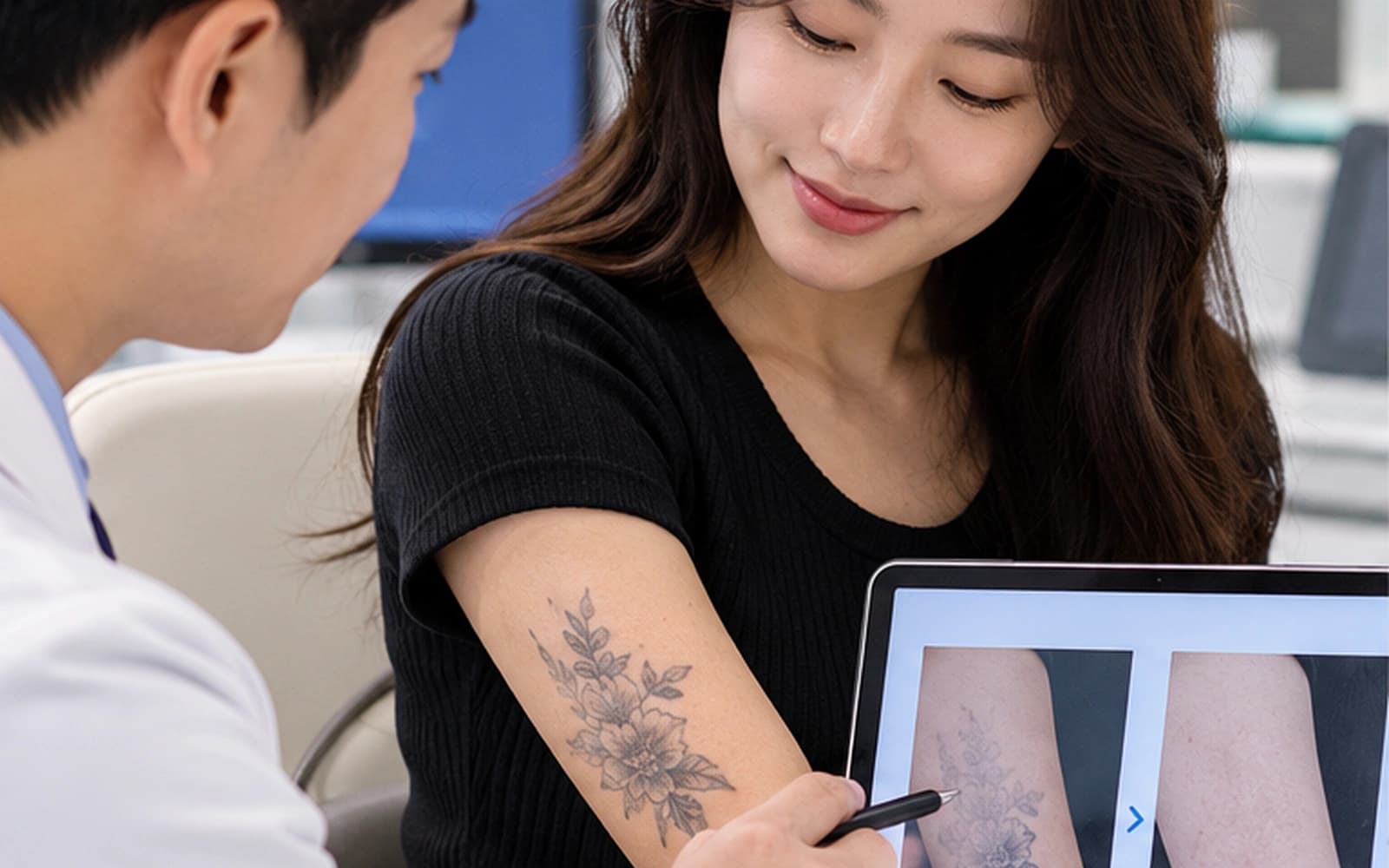
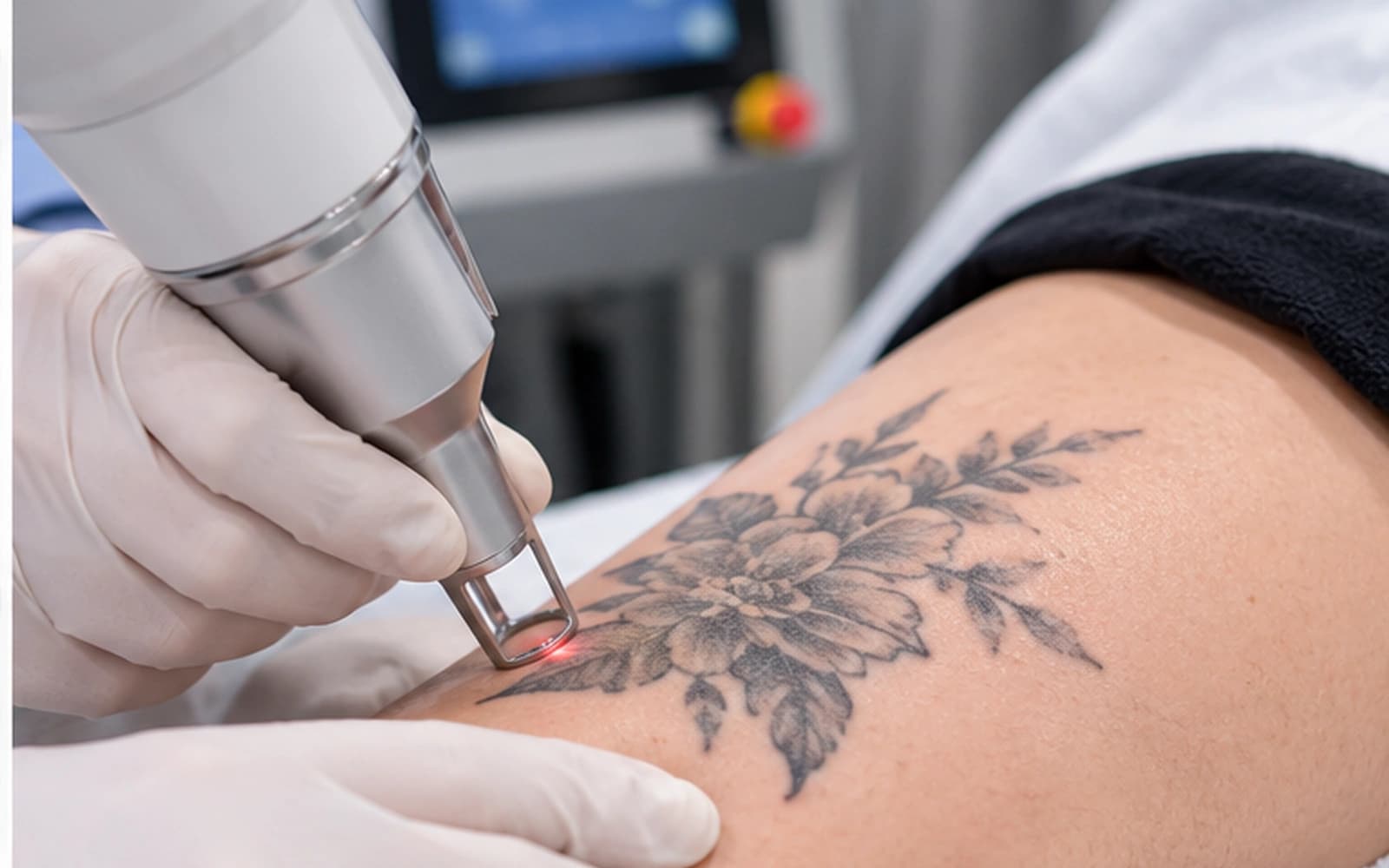
Laser tattoo removal uses targeted light energy to gradually break down tattoo pigment. The number of sessions varies depending on ink colour, depth, tattoo age, location and individual response.
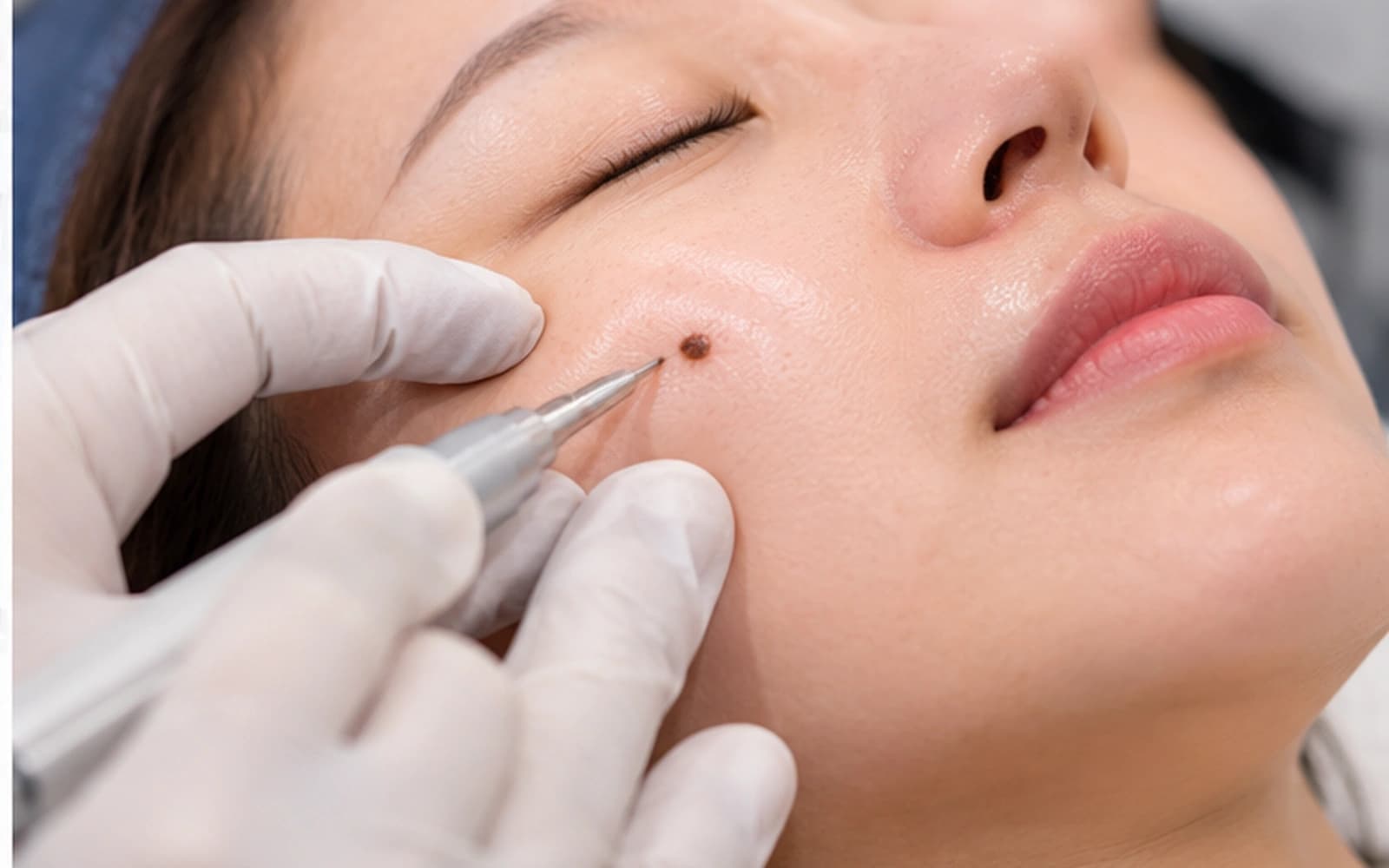
Moles require clinical assessment before removal. Depending on the lesion, location and medical findings, removal may involve techniques such as shave removal or surgical excision. A changing, bleeding or otherwise suspicious mole should be assessed before any cosmetic treatment.
For other laser-based skin concerns, explore Laser Skin Rejuvenation. If the concern is flat pigmentation rather than a mole, compare Pigmentation & Skin Brightening.
Share relevant medical conditions, medications and previous treatments Mention any history of raised or abnormal scarring For tattoos, confirm colours, treatment area and previous removal attempts Tell the clinician if a mole has changed, grown, bled, itched or become symptomatic
Follow the clinic's wound and skin-care instructions Keep the treated area protected while healing Avoid picking scabs or blisters Protect treated skin from excessive sun exposure Contact the clinic if symptoms are severe or worsening
Tattoo removal and mole removal are separate procedures with different clinical considerations. Laser tattoo removal can cause temporary redness, swelling or blistering. Less commonly, scarring, burns, texture changes or lighter or darker pigmentation may occur. A mole that is new, changing, irregular, bleeding or otherwise suspicious should be medically assessed before cosmetic removal. Some lesions may require biopsy or laboratory examination rather than cosmetic treatment alone. Treatment should be performed by an appropriately qualified healthcare professional after individual assessment.
This page is general information, not medical advice. A licensed doctor will confirm whether this treatment is right for you.
Explore more you might be interested in.
 Skin & Aesthetic
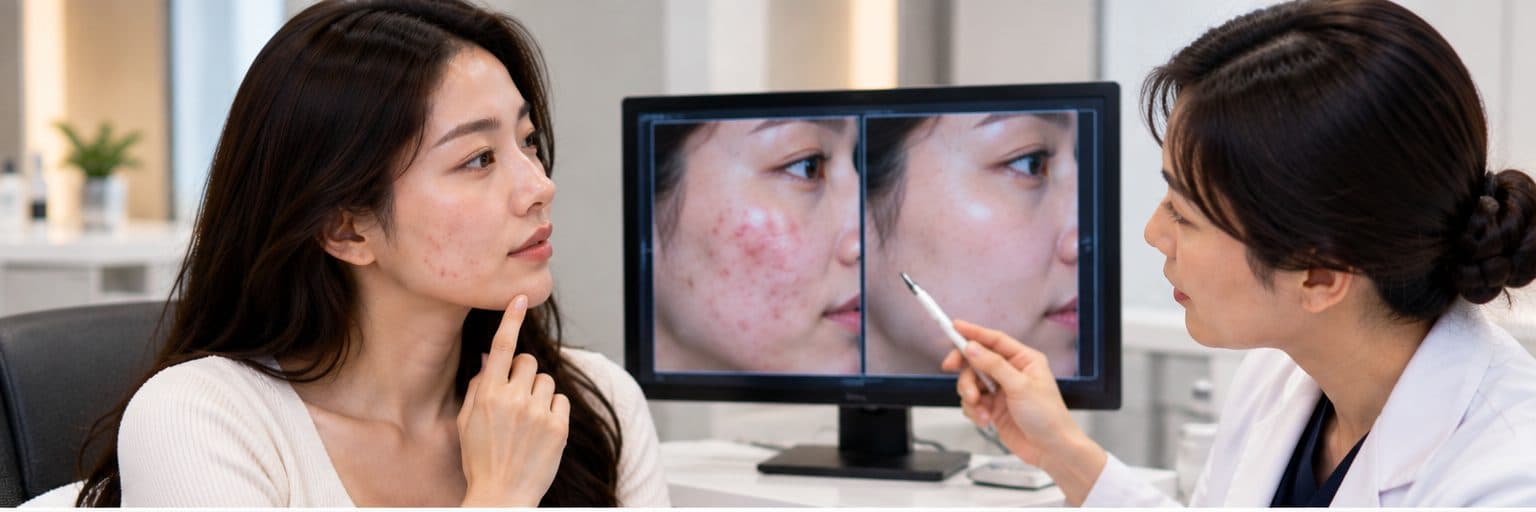
Acne treatment in Korea can combine medical skincare, prescription treatment and selected in-clinic procedures according to acne type and severity. Compare Seoul options through Fornur.
 Skin & Aesthetic
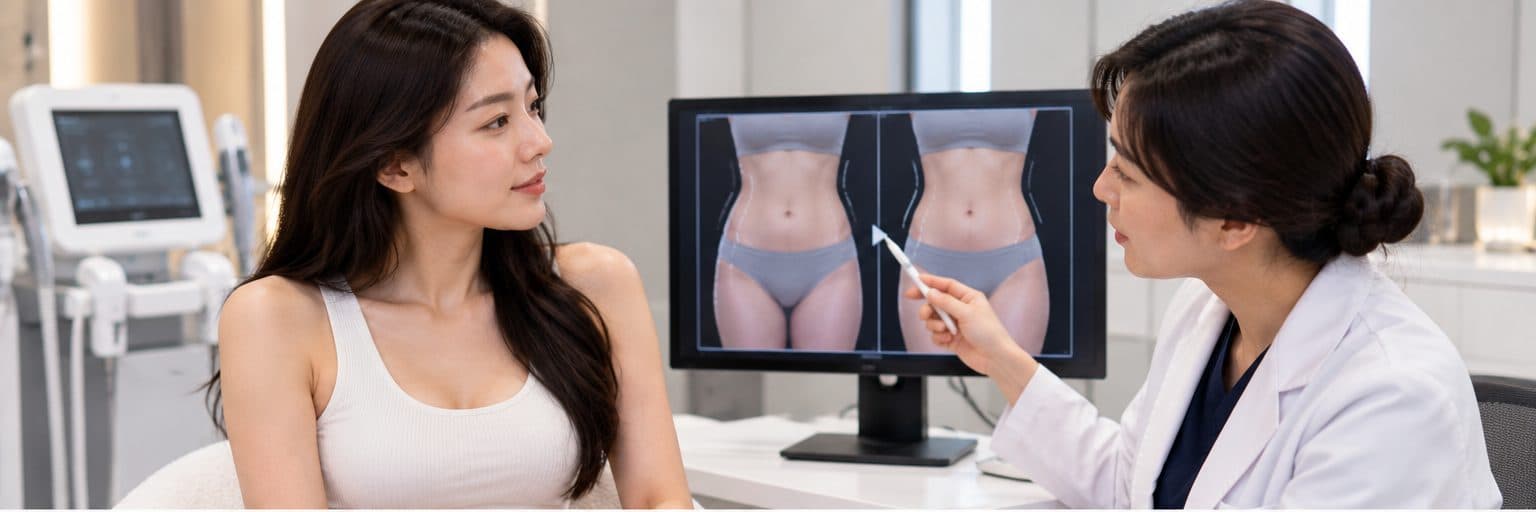
Non-surgical body contouring in Korea uses external energy-based devices to address selected areas of localised fat, reduced skin firmness or contour concerns. Compare Seoul options through Fornur.
 Skin & Aesthetic
Compare Botox and botulinum toxin treatments in Korea for dynamic facial lines and selected muscle-related concerns. Product, dose and treatment area should be confirmed after clinical assessment.
 Skin & Aesthetic
Dermal fillers in Korea are injectable treatments used to restore or add selected facial volume, soften certain folds and refine facial contours. Compare Seoul filler options and request a consultation through Fornur.
 Skin & Aesthetic
Non-surgical face contouring in Korea uses selected energy-based treatments to address lower-face fullness, mild laxity and reduced jawline definition. Compare Seoul options through Fornur.
 Skin & Aesthetic
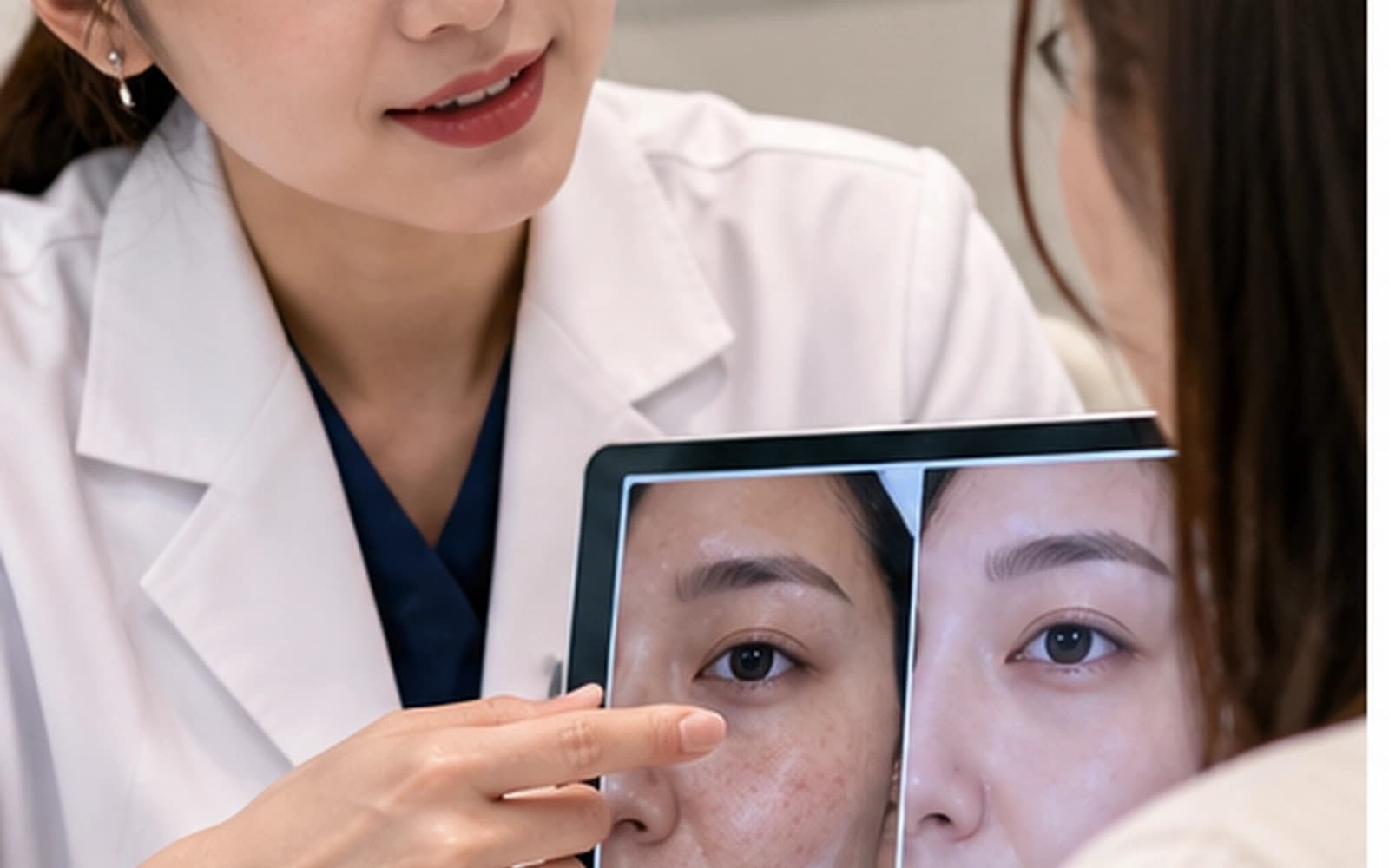
Explore facials in Korea for hydration, cleansing, congestion, texture and general skin care. Treatment selection should be based on your skin concerns and assessment.
Explore more you might be interested in.
 Beauty & Medical
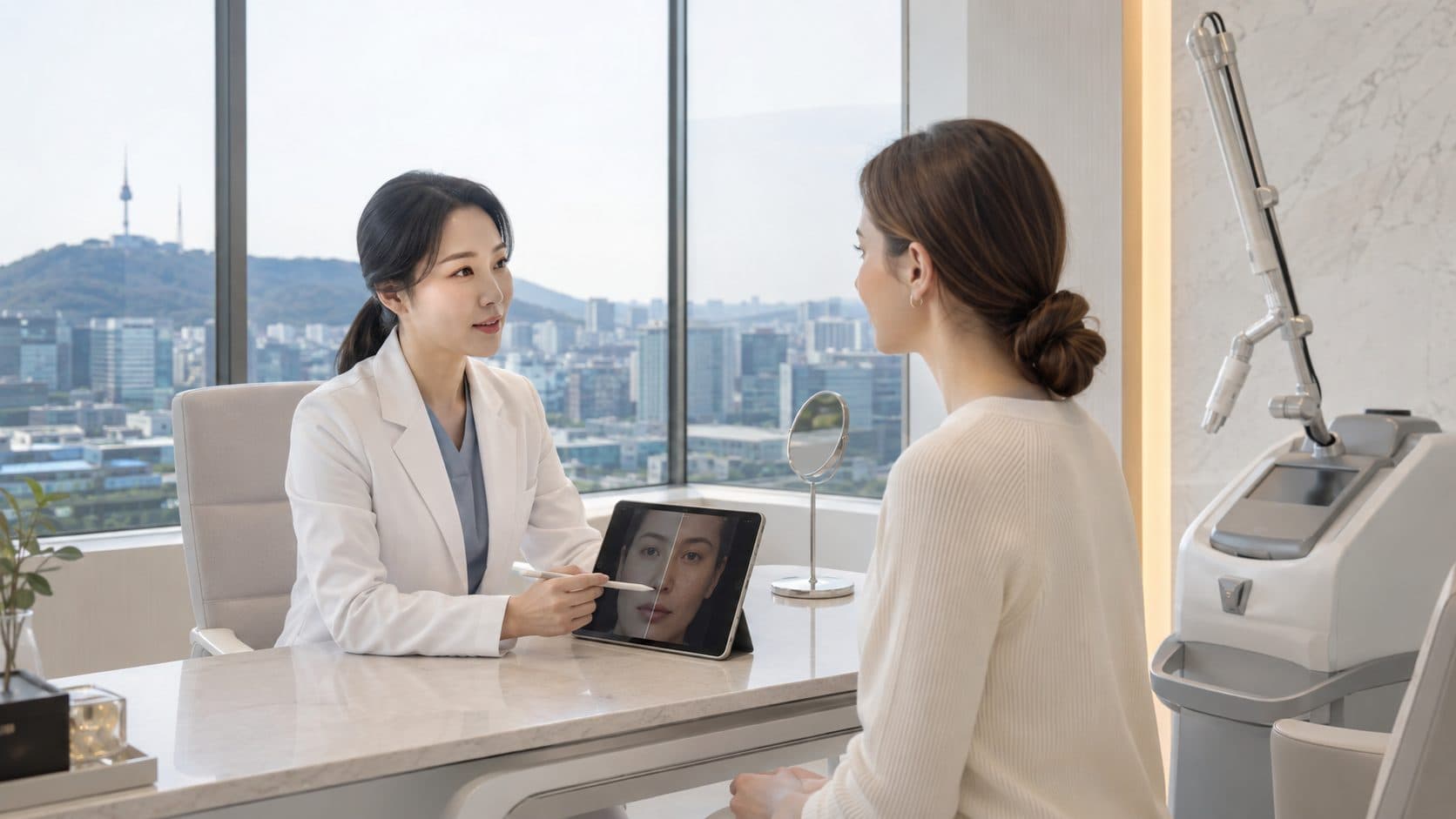
Compare Korean laser skin treatment prices with confidence. Learn what affects quotes, how laser options differ, what costs may include, and what international patients should confirm before booking.
 Beauty & Medical
Explore Korean glass skin treatments, including facials, peels, lasers, microneedling, and skin boosters, with practical guidance on results, downtime, costs, and choosing the right option in Korea.
 Beauty & Medical
Explore Korean veneers, including materials, tooth preparation, cost factors, longevity, risks, and the key questions international patients should ask before choosing cosmetic dental treatment in Korea.
 Beauty & Medical
Explore laser hair removal in Korea, including session planning, cost factors, skin-tone considerations, expected results, aftercare, and the key questions international patients should ask before booking.
