
근관치료
Root canal treatment in Korea treats selected teeth with inflamed or infected pulp while preserving the natural tooth where possible. Learn about treatment, recovery, cost factors and Seoul dental options.
Clinic details and exact pricing will be shared after we review your consultation request.
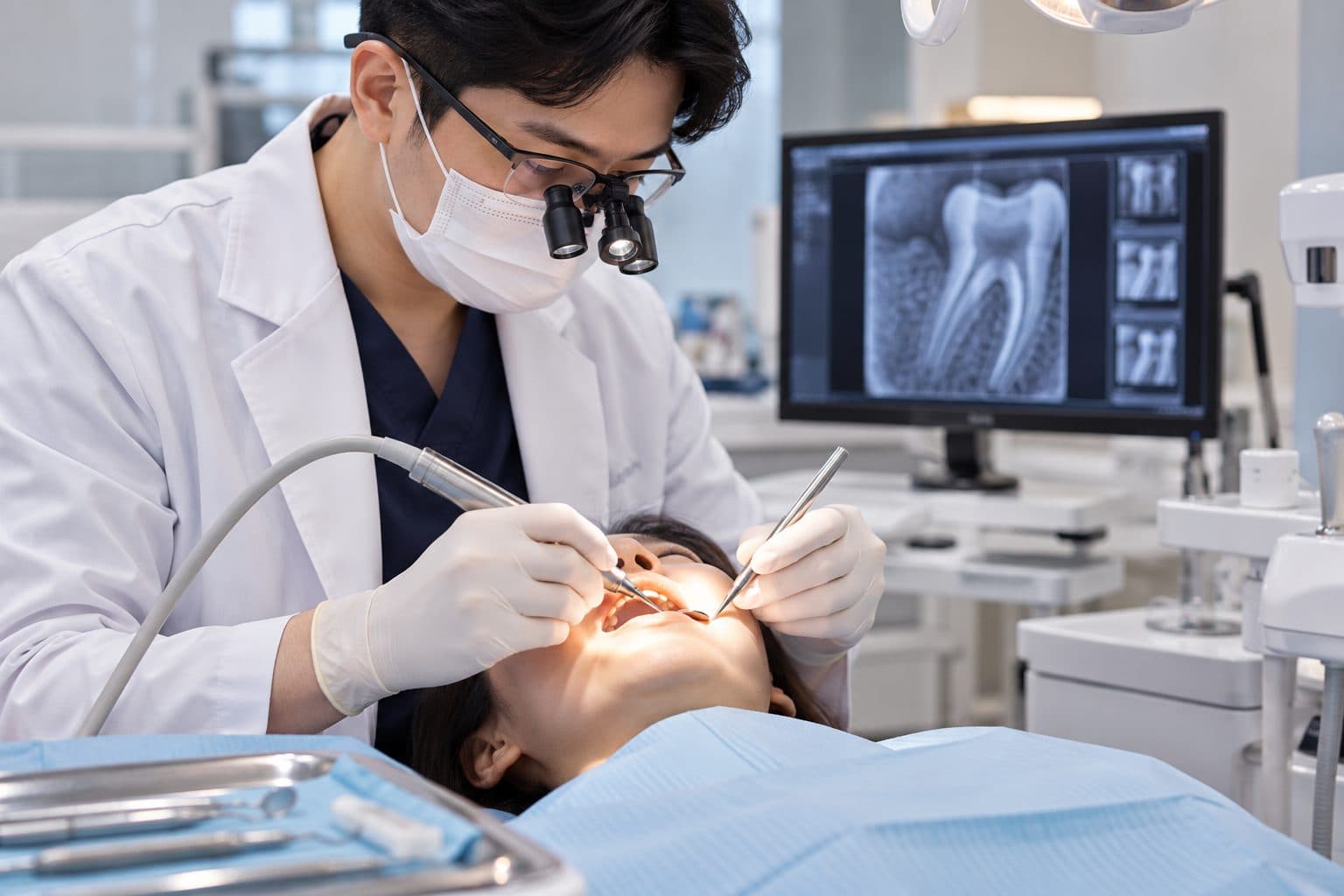
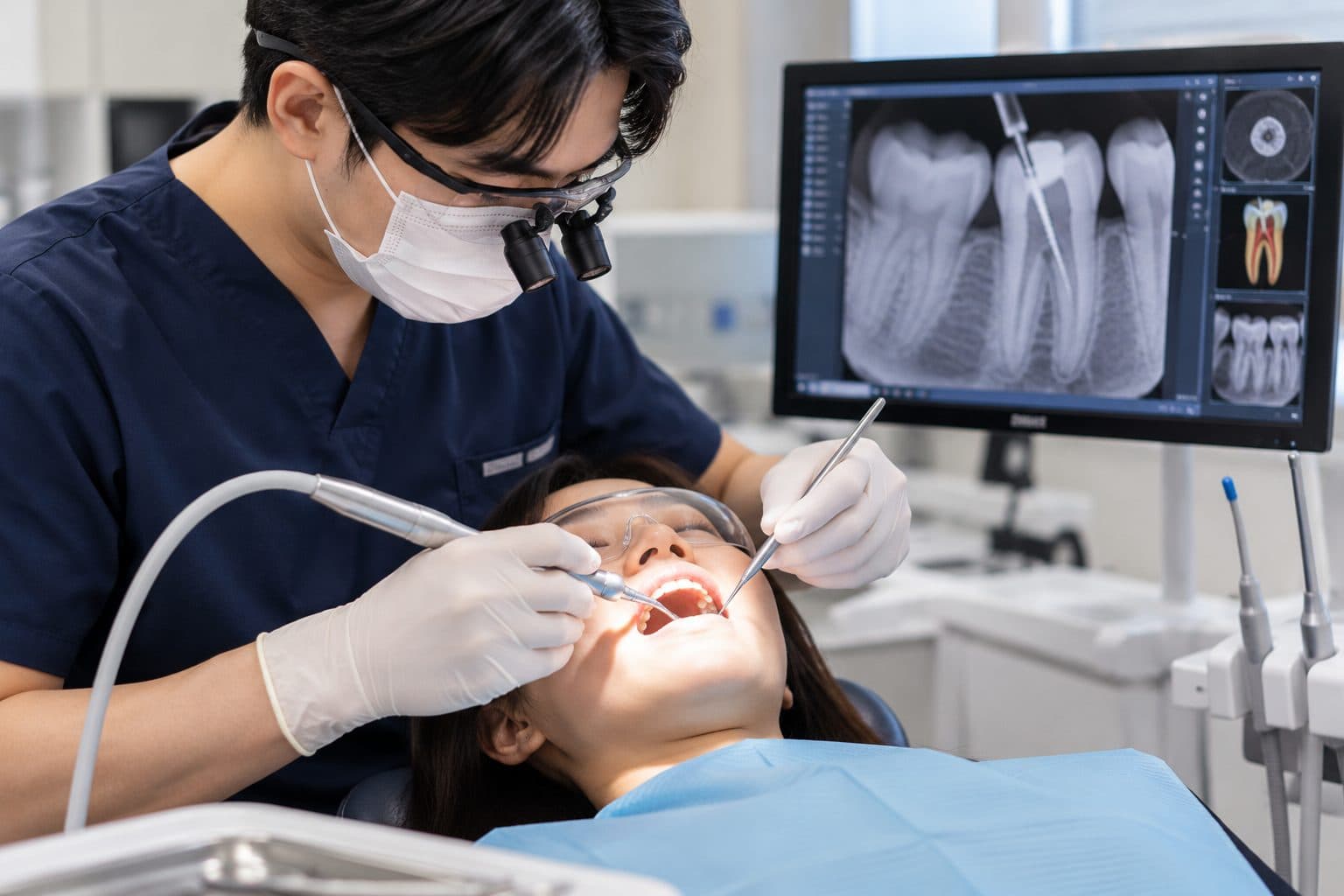
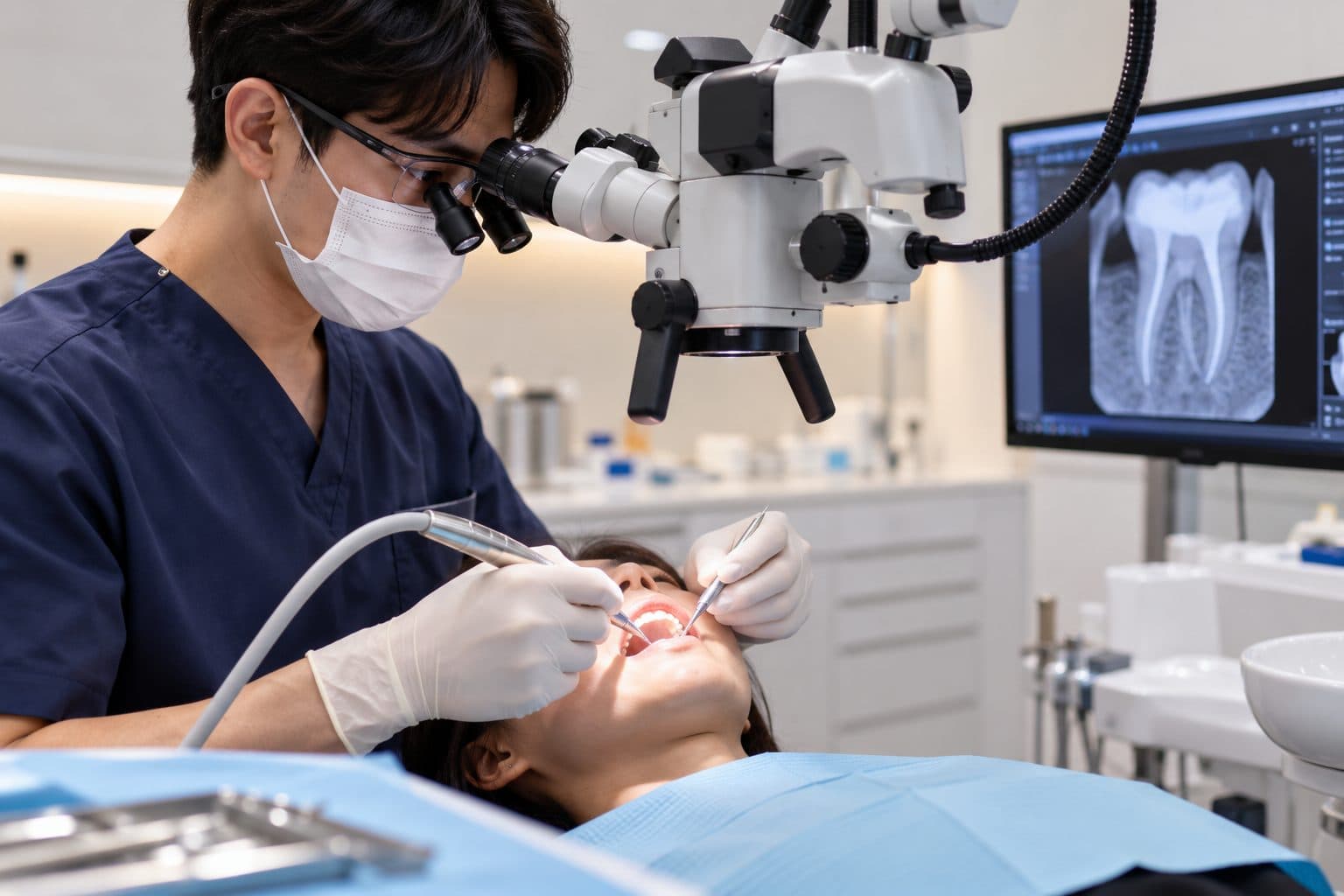
Root canal treatment in Korea is used when the soft tissue inside a tooth, known as the pulp, becomes inflamed or infected because of deep decay, cracks, trauma or previous dental work. The aim is to treat disease inside the tooth while preserving the natural tooth where clinically possible.
During treatment, the affected pulp is removed before the root canals are cleaned, shaped, filled and sealed. The tooth then needs an appropriate permanent restoration, which may be a filling or crown depending on the tooth and the amount of remaining structure.
If greater structural coverage is required after treatment, compare Ceramic Crowns in Korea. If the tooth cannot be preserved, Dental Implants in Korea may be discussed as a replacement option. For broader planning, explore more Dental treatments in Seoul.
Explain current pain, swelling or sensitivity Share previous treatment on the affected tooth Disclose relevant medical conditions, medicines and allergies Complete recommended dental imaging Confirm whether the tooth can be predictably restored Ask whether a filling or crown will be required afterward
Wait until numbness wears off before chewing Follow instructions for medication and temporary restorations Avoid heavy biting on the tooth until final restoration Continue oral hygiene as advised Contact the clinic if pain worsens, swelling develops or a temporary restoration is lost
Root canal treatment does not guarantee that every tooth can be preserved. Possible complications include persistent infection, difficult or untreated canal anatomy, tooth fracture, restoration failure and the need for retreatment or additional endodontic treatment. Long-term outcome depends on the original tooth condition, treatment, final restoration and ongoing dental care. Seek dental assessment if pain or swelling worsens after treatment.
This page is general information, not medical advice. A licensed doctor will confirm whether this treatment is right for you.
Explore more you might be interested in.
 Dental
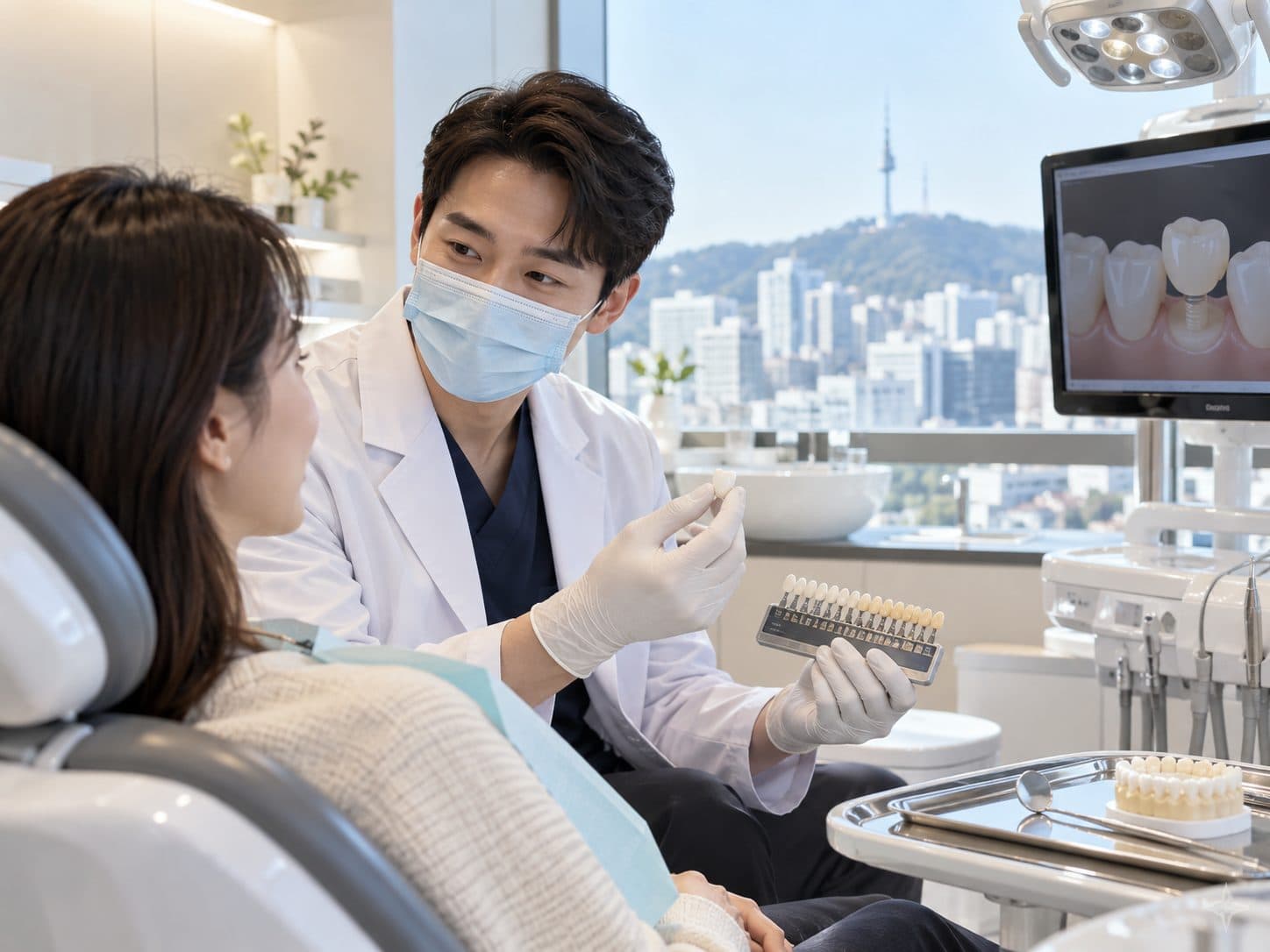
Ceramic crowns in Korea are tooth-coloured restorations used to cover and protect selected damaged or weakened teeth. Learn about treatment, materials, cost factors and Seoul dental options.
 Dental
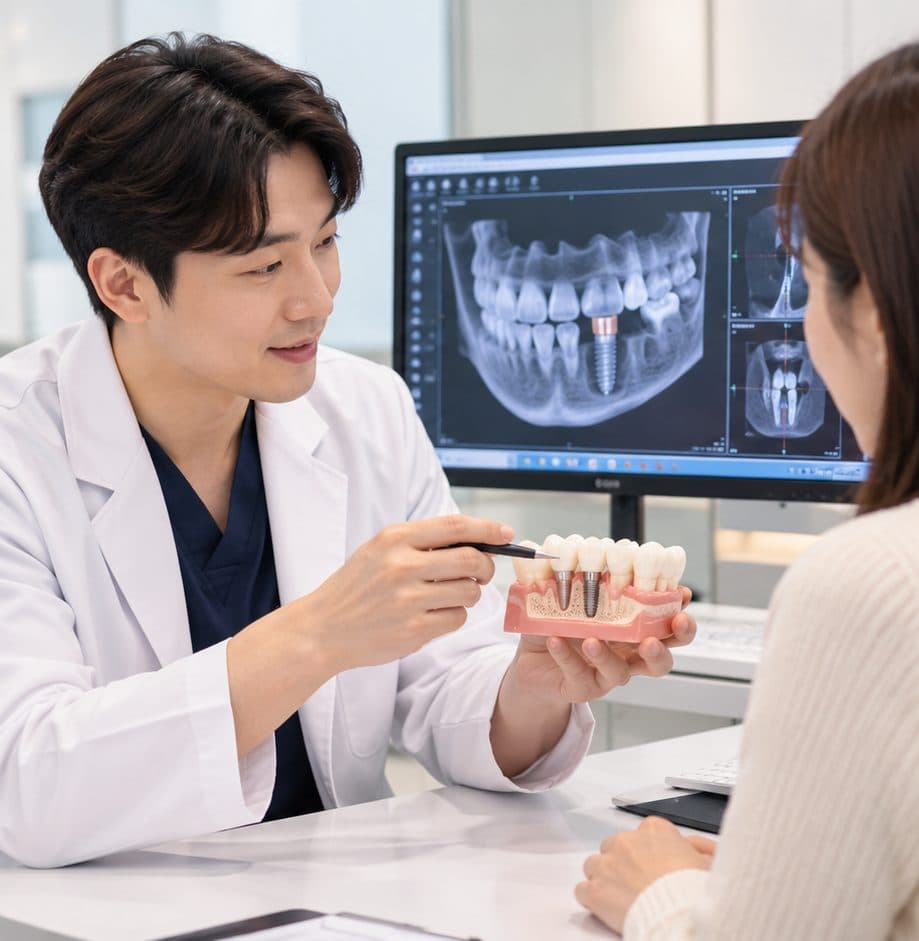
 implants in Korea replace selected missing teeth using an implant placed in the jawbone and a custom restoration. Learn about treatment stages, cost factors, healing and Seoul dental options.
 Dental
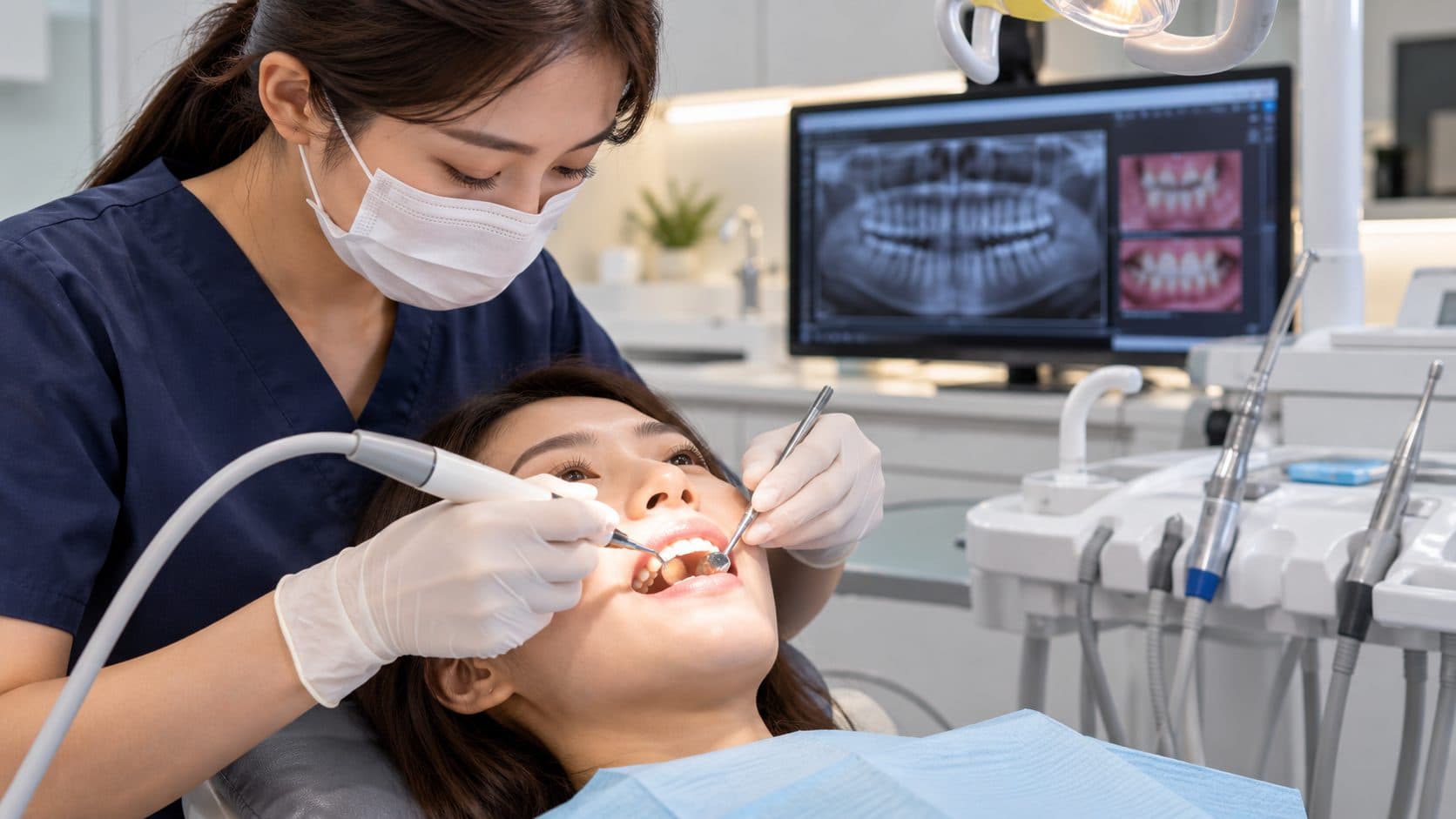
 scaling in Korea removes plaque and hardened calculus from the teeth and around the gumline. Compare professional teeth cleaning, treatment needs and Seoul dental options.
 Dental
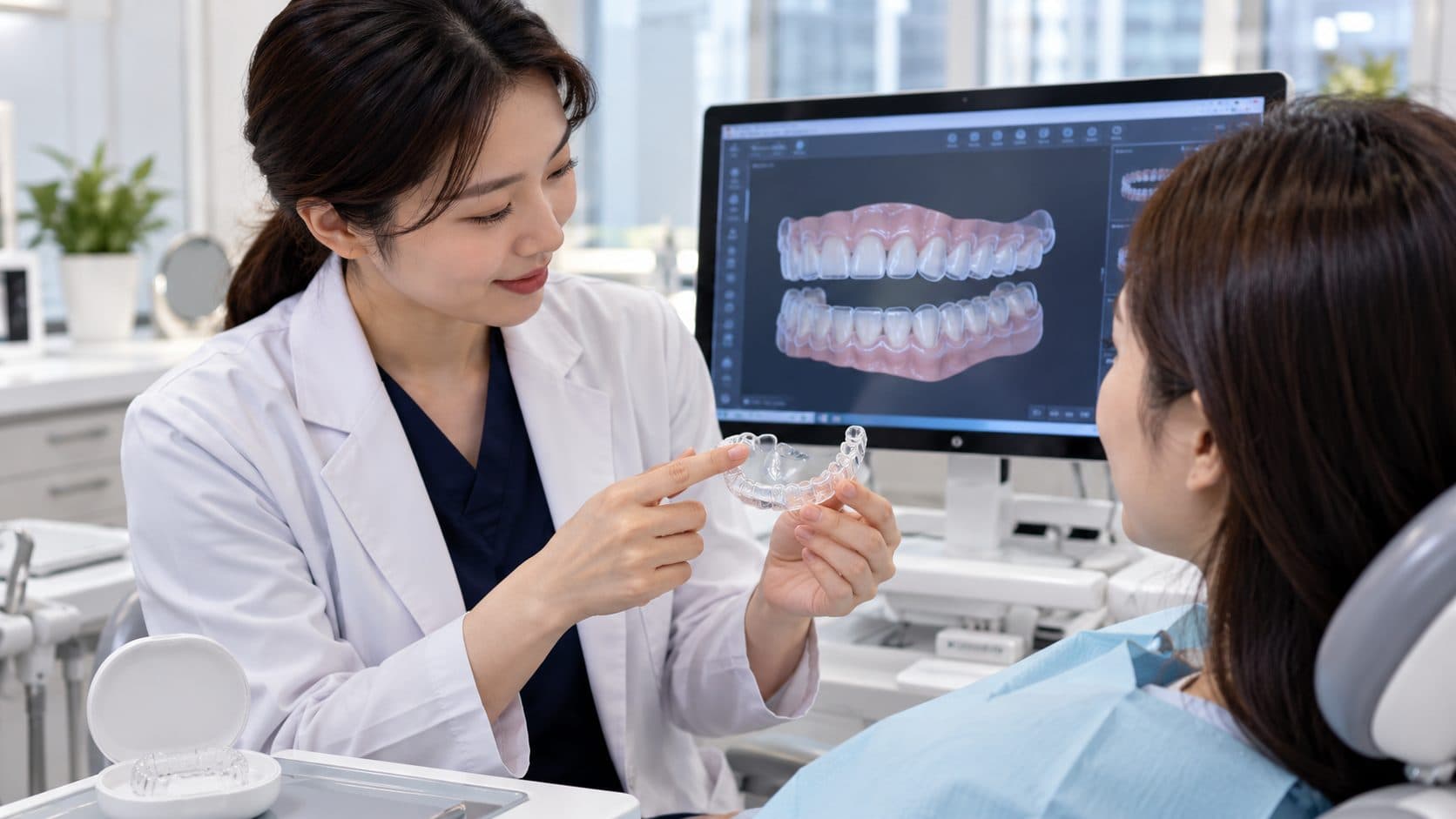
Invisalign and clear aligners in Korea use removable trays to gradually move selected teeth. Compare suitability, treatment timelines, cost factors and Seoul dental options.
 Dental
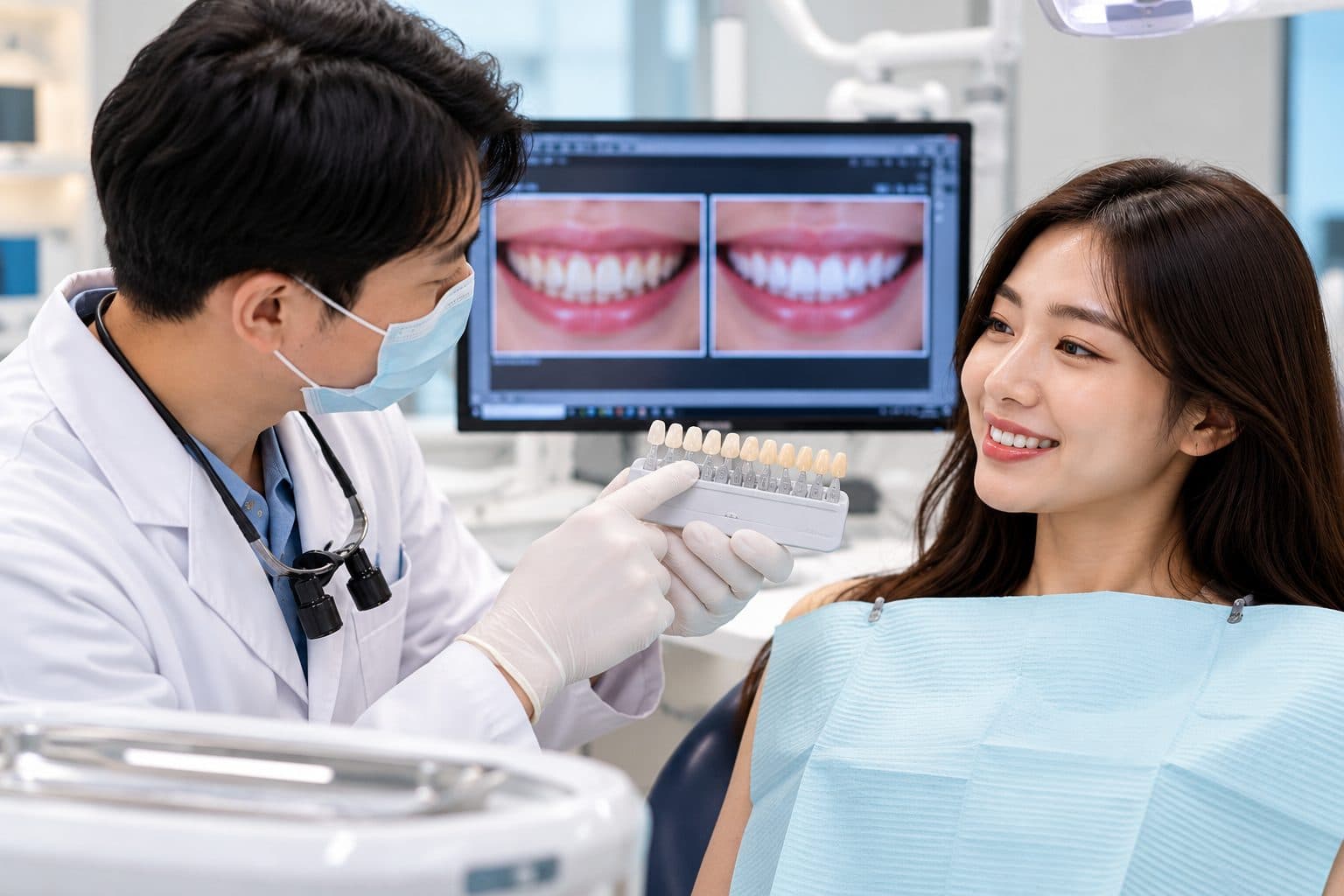
Explore porcelain veneers in Korea for selected concerns involving tooth colour, shape, chips and small gaps. Learn about preparation, treatment steps, risks, alternatives and cost factors.
 Dental
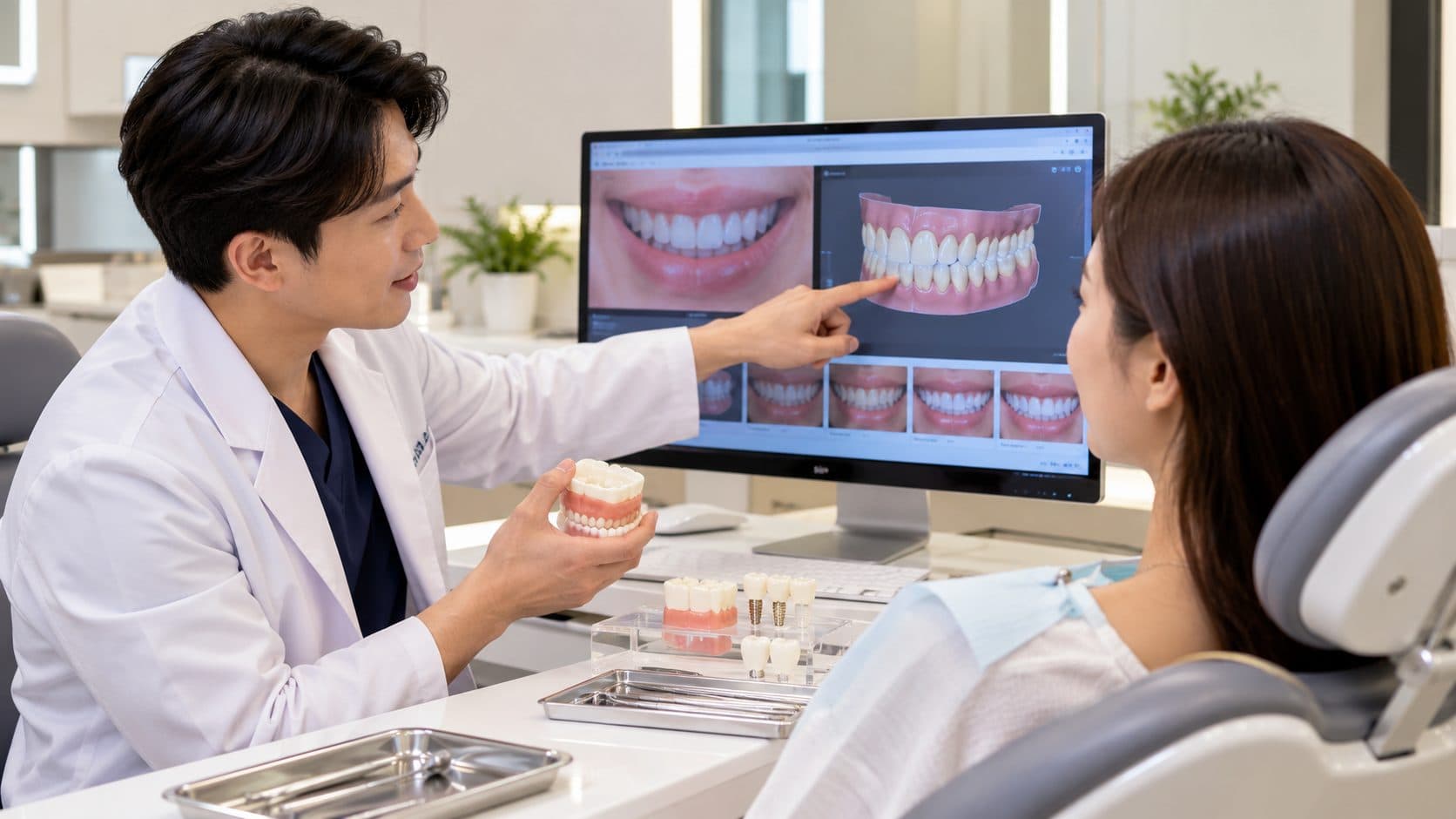
A smile makeover in Korea combines selected cosmetic, restorative or orthodontic dental treatments into a personalised plan. Compare treatment options, timelines, cost factors and Seoul dental care.
Explore more you might be interested in.
 Beauty & Medical
Compare epicanthoplasty vs lateral canthoplasty in Korea. Learn how inner and outer eye-corner surgery differ, including risks, scars, recovery, costs and what to ask before choosing a Seoul clinic.
 Beauty & Medical
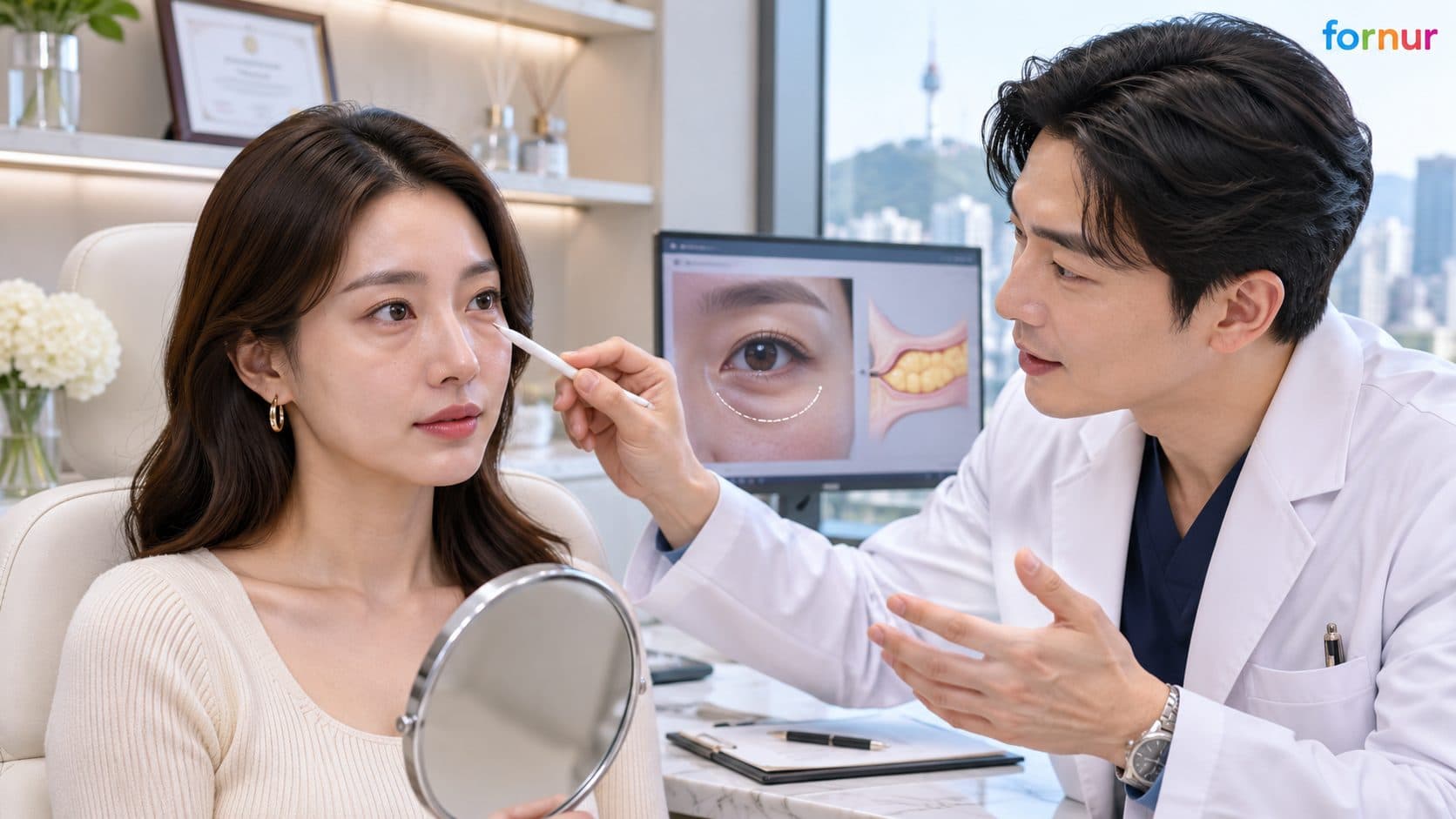
Under-eye hollows or eye bags? Learn how fat grafting works in Korea, how it differs from repositioning and fillers, and what to ask before treatment.
 Beauty & Medical
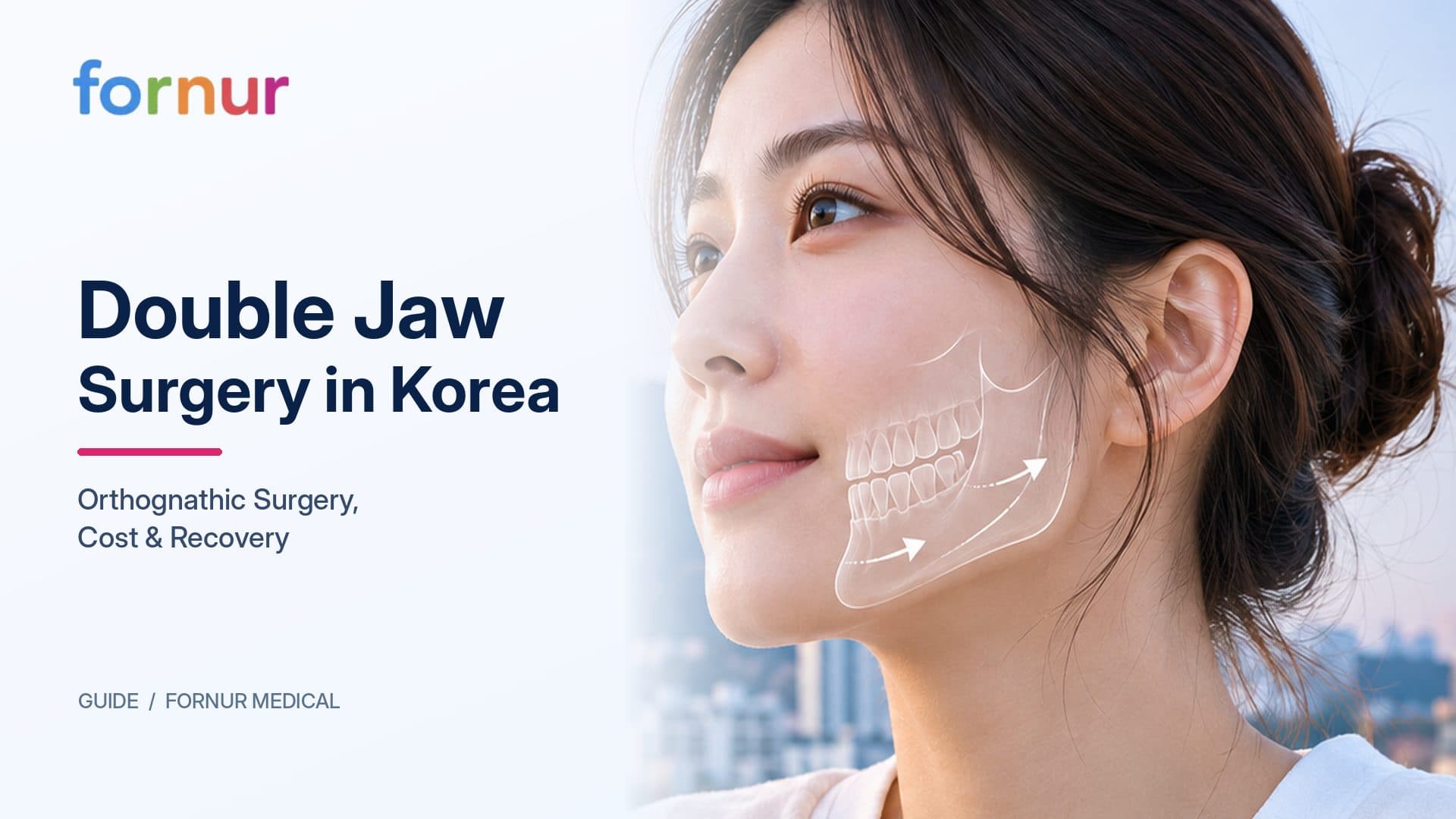
Understand double-jaw orthognathic surgery in Korea, including who may need it, surgical planning, braces, recovery, costs, risks and safe travel decisions.
 Beauty & Medical
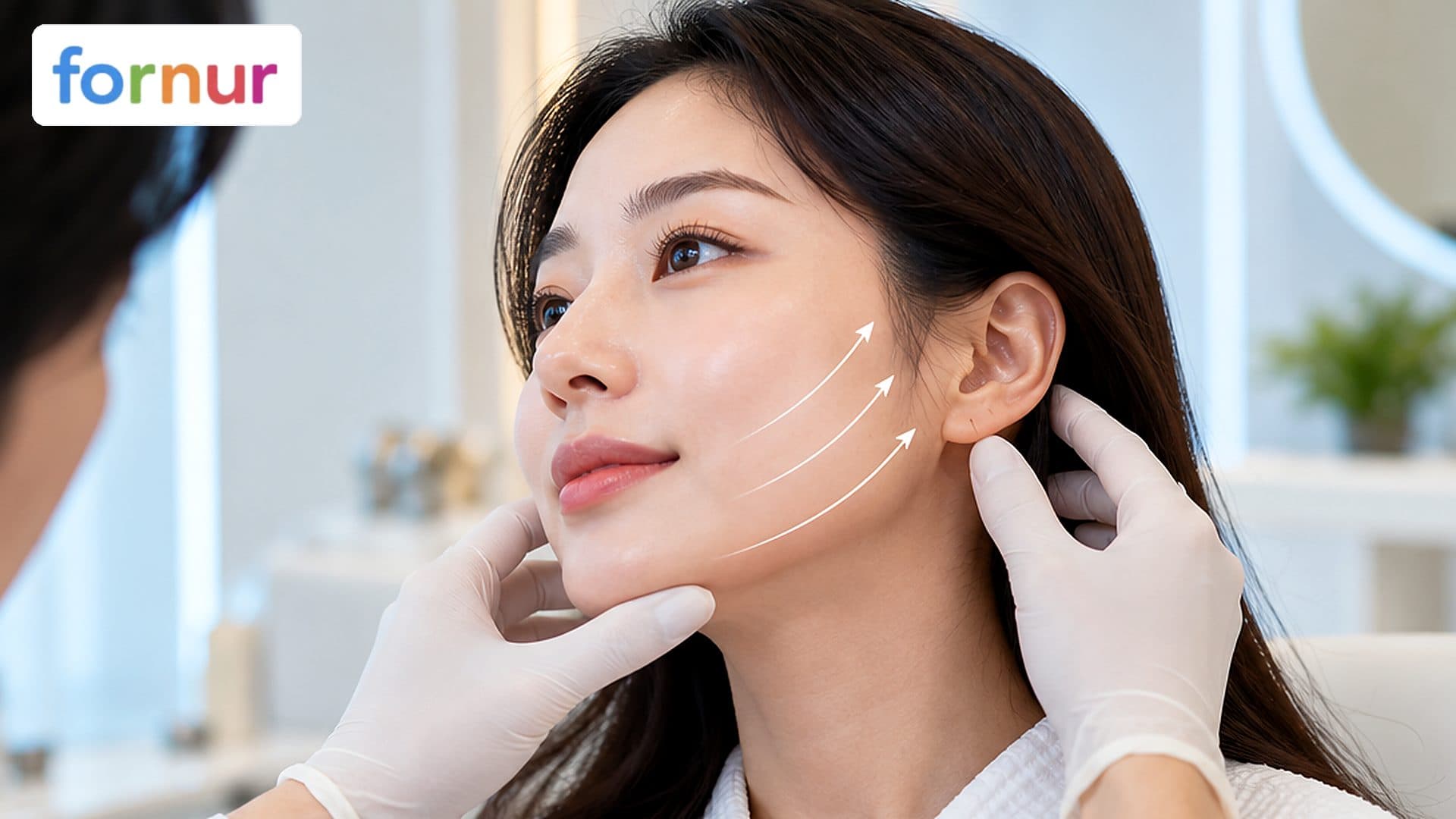
A practical thread lift recovery timeline for international visitors to Korea, including swelling, bruising, aftercare, signs of complications and realistic results.