
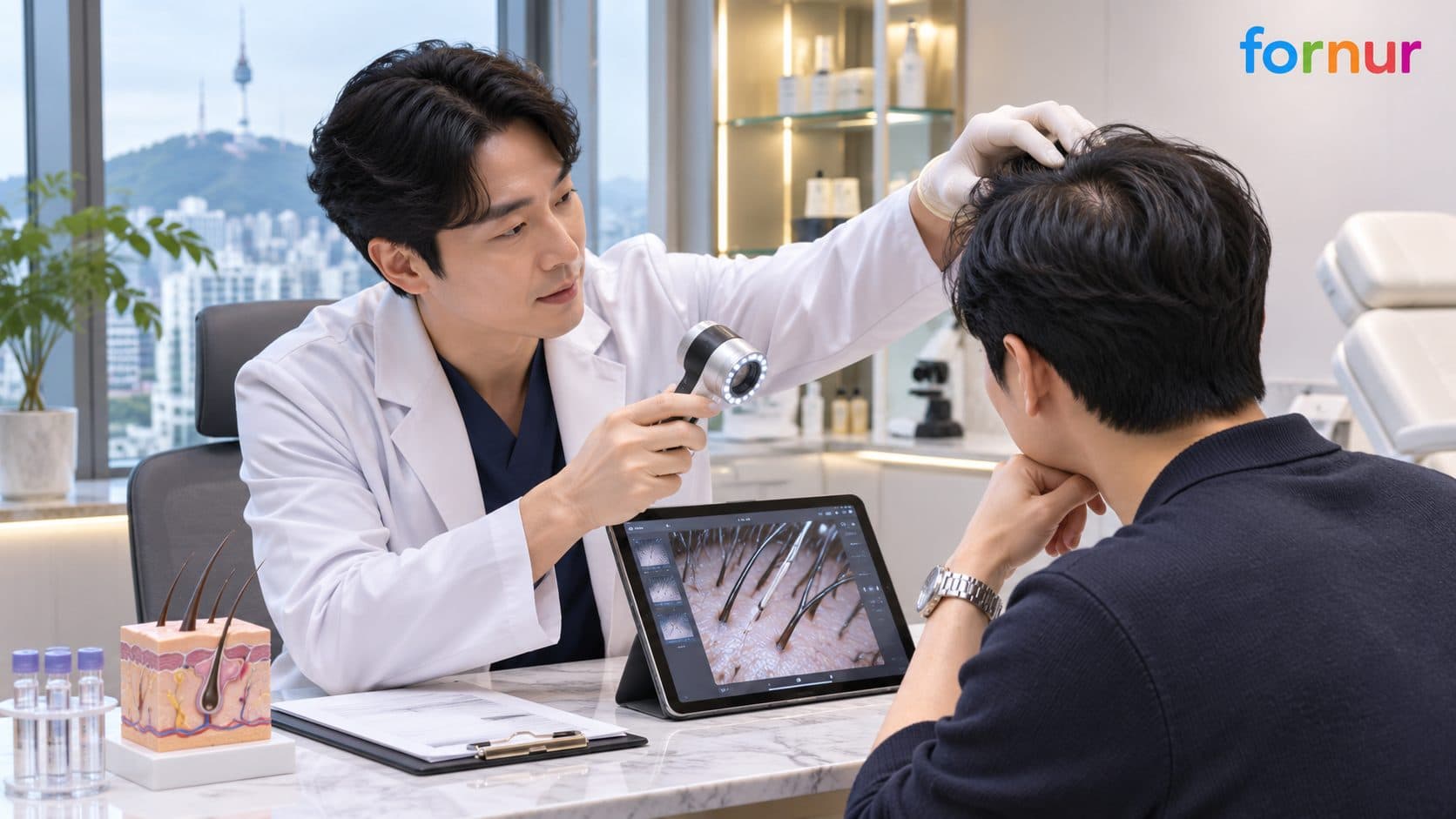
Explore FUE hair transplant surgery in Korea, including donor assessment, graft placement, costs, recovery and potential risks. Understand what to ask before treatment.
Clinic details and exact pricing will be shared after we review your consultation request.
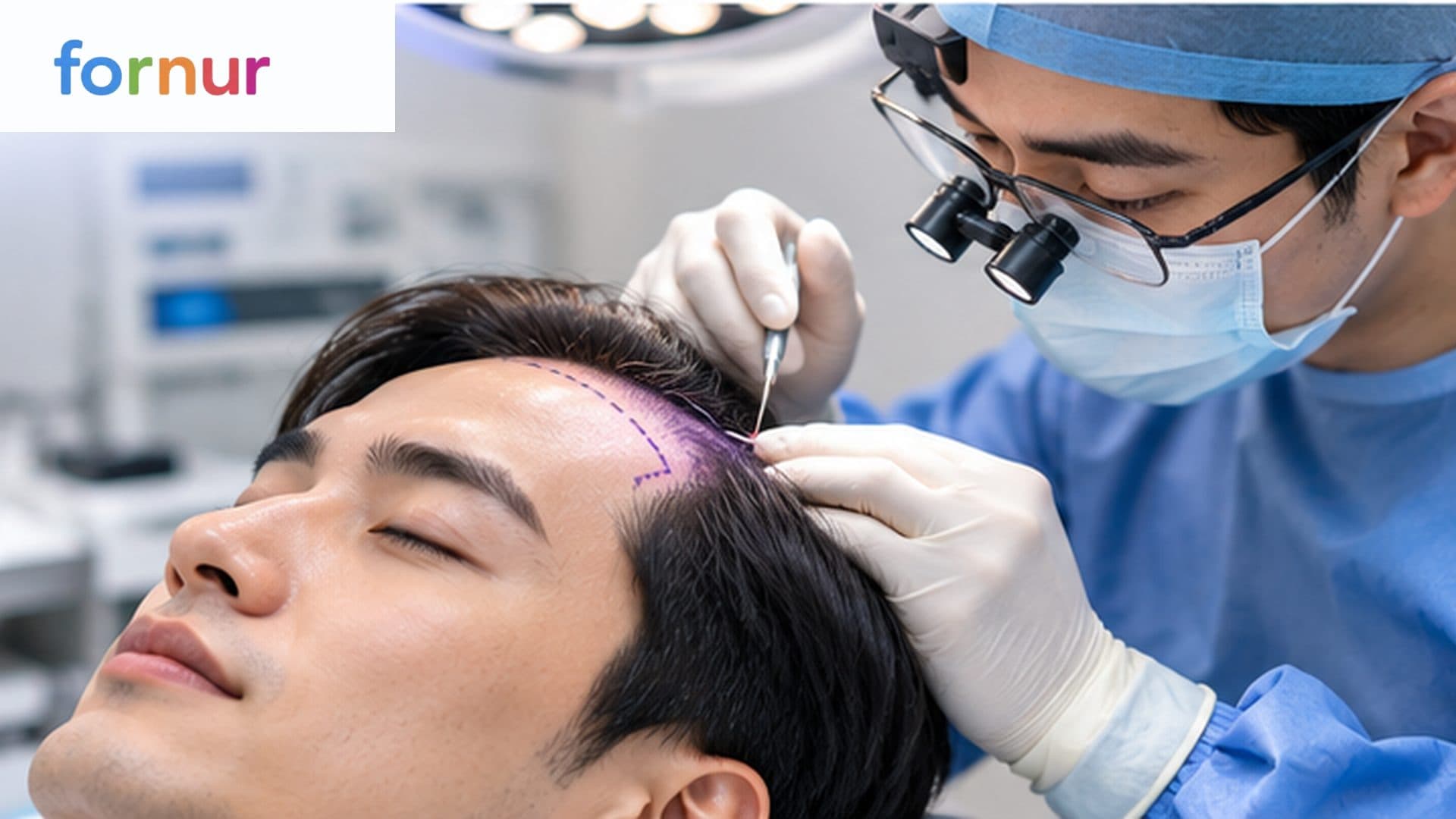
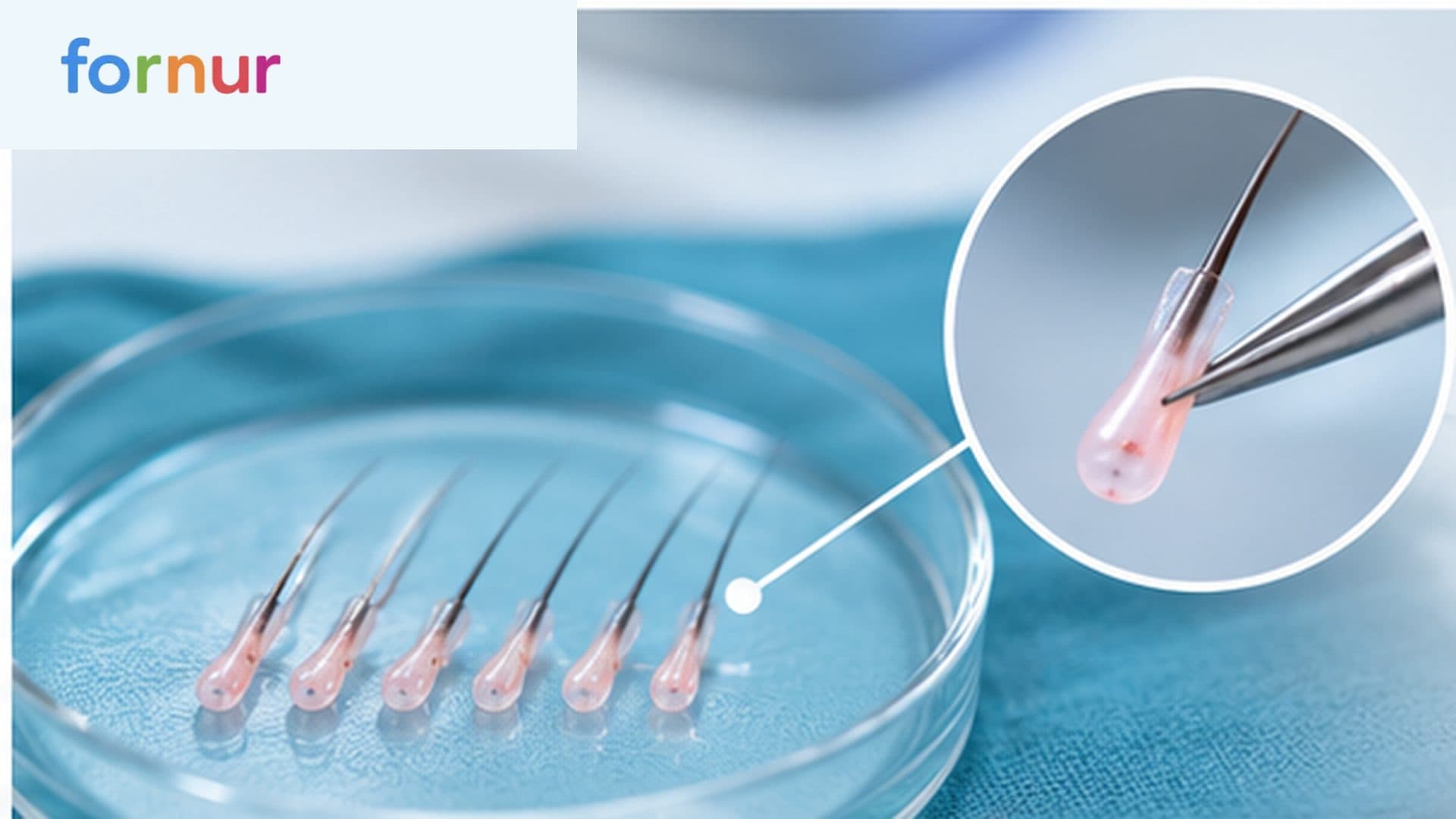
FUE hair transplant in Korea is a surgical option for selected people with permanent pattern hair loss. FUE means follicular unit excision: a surgeon removes individual follicular units from a donor area and places them in thinning areas. It avoids one long strip scar, but small extraction scars remain. The International Society of Hair Restoration Surgery explains the technique.
Suitability depends on your diagnosis, donor density, future hair loss and realistic coverage. The American Academy of Dermatology recommends checking whether enough healthy donor hair is available. Explore Fornur's Hair Loss Treatment page if your diagnosis is uncertain.
Surgery usually takes 4-8 hours. Allow around 1–2 weeks for early recovery, with hair growth developing over months. The NHS explains graft care and the healing timeline. For a detailed FUE versus FUT comparison, read our Korean Hair Surgery guide.
Before travelling, check the operating surgeon's qualifications, itemised costs and aftercare plan. Medical Korea provides a directory of institutions registered for foreign patients. Explore Fornur's Hair Treatment hub or message Fornur about current surgical options. An enquiry does not confirm a booking.
Confirm the cause of hair loss and whether surgery is appropriate. Ask about donor density, hairline design and future thinning. Share your medical history, medicines and previous treatments. Verify who will perform graft harvesting and recipient-site creation. Discuss anaesthesia, possible complications, follow-up visits and a complete written quotation before arranging travel.
Protect donor and recipient areas as your surgical team instructs. The NHS advises particular care with new grafts during the first two weeks. Follow the prescribed washing and activity restrictions; do not rub or pick scabs. Swelling, redness and crusting can occur. Contact the surgical team promptly for fever, worsening pain, bleeding or unusual discharge. Attend follow-up reviews.
FUE is surgery, not a scar-free or risk-free treatment. Possible complications include bleeding, infection, anaesthesia reactions, visible scars, poor graft survival and donor-area overharvesting. The hairline may look unnatural if poorly planned. Existing hair can continue thinning despite transplantation. Choose a qualified surgeon and discuss future hair-loss management, realistic density and the possibility of further procedures.
This page is general information, not medical advice. A licensed doctor will confirm whether this treatment is right for you.
Explore more you might be interested in.
 Hair Treatment
Explore exosome therapy for hair loss in Korea, including scalp-treatment methods, emerging evidence, safety concerns and questions to ask before choosing a clinic.
 Hair Treatment
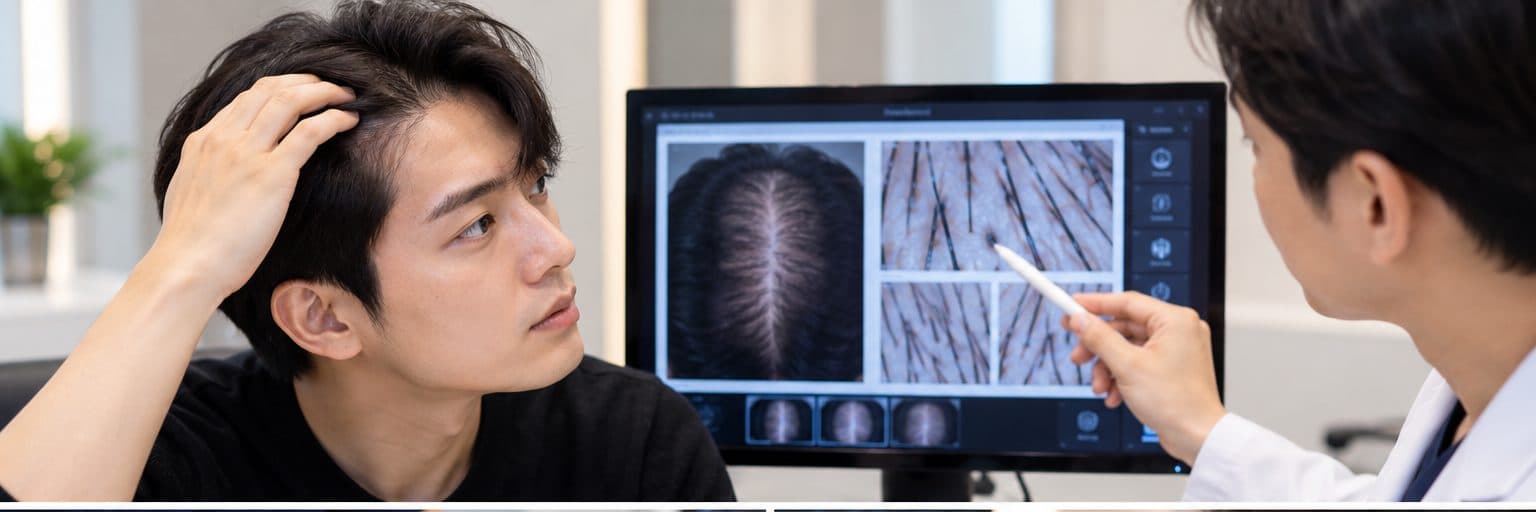
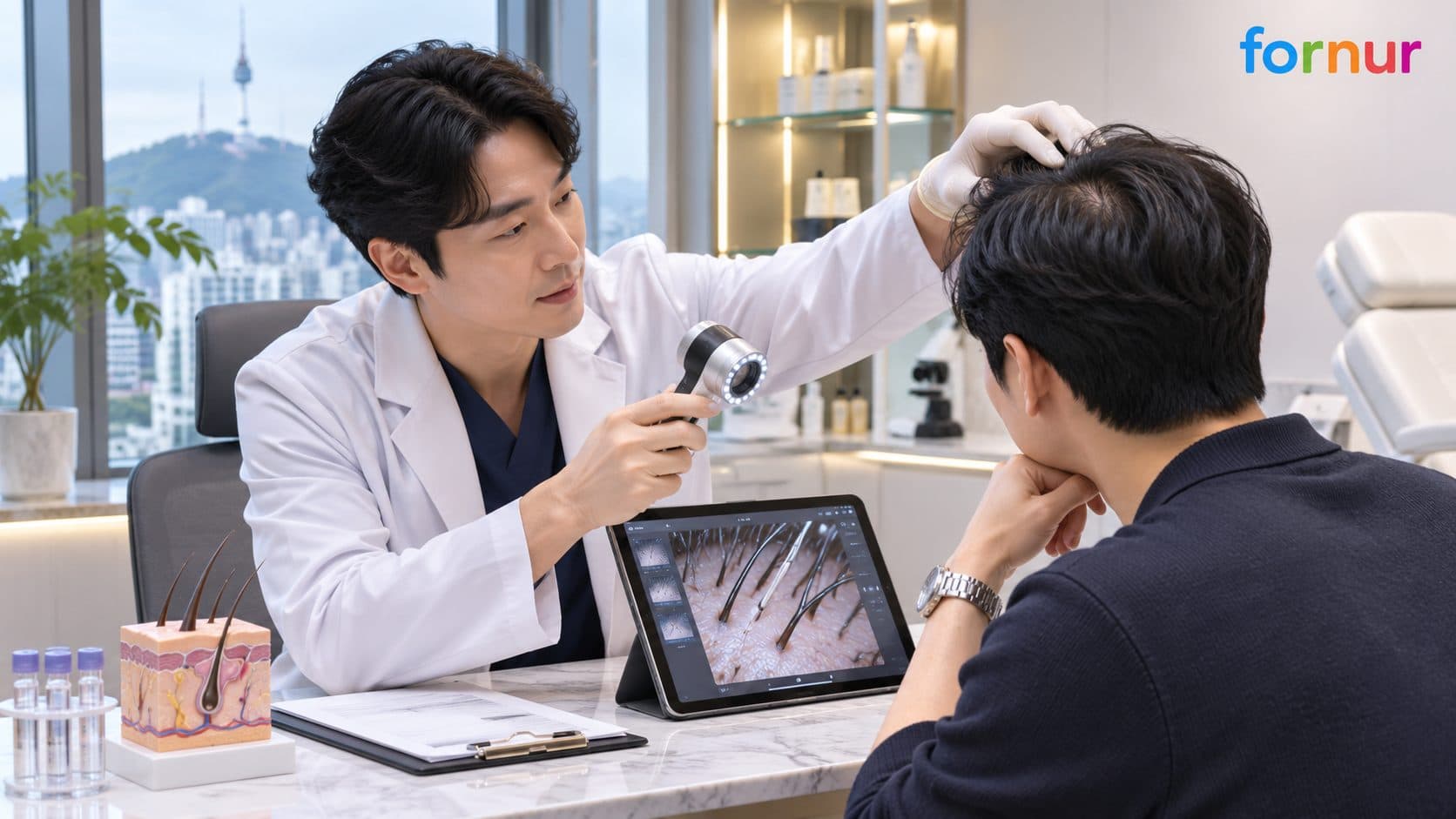
Hair loss treatment in Seoul begins by identifying the cause of thinning or shedding before selecting medication, clinic procedures or other care. Compare treatment options and request a consultation through Fornur.
 Hair Treatment
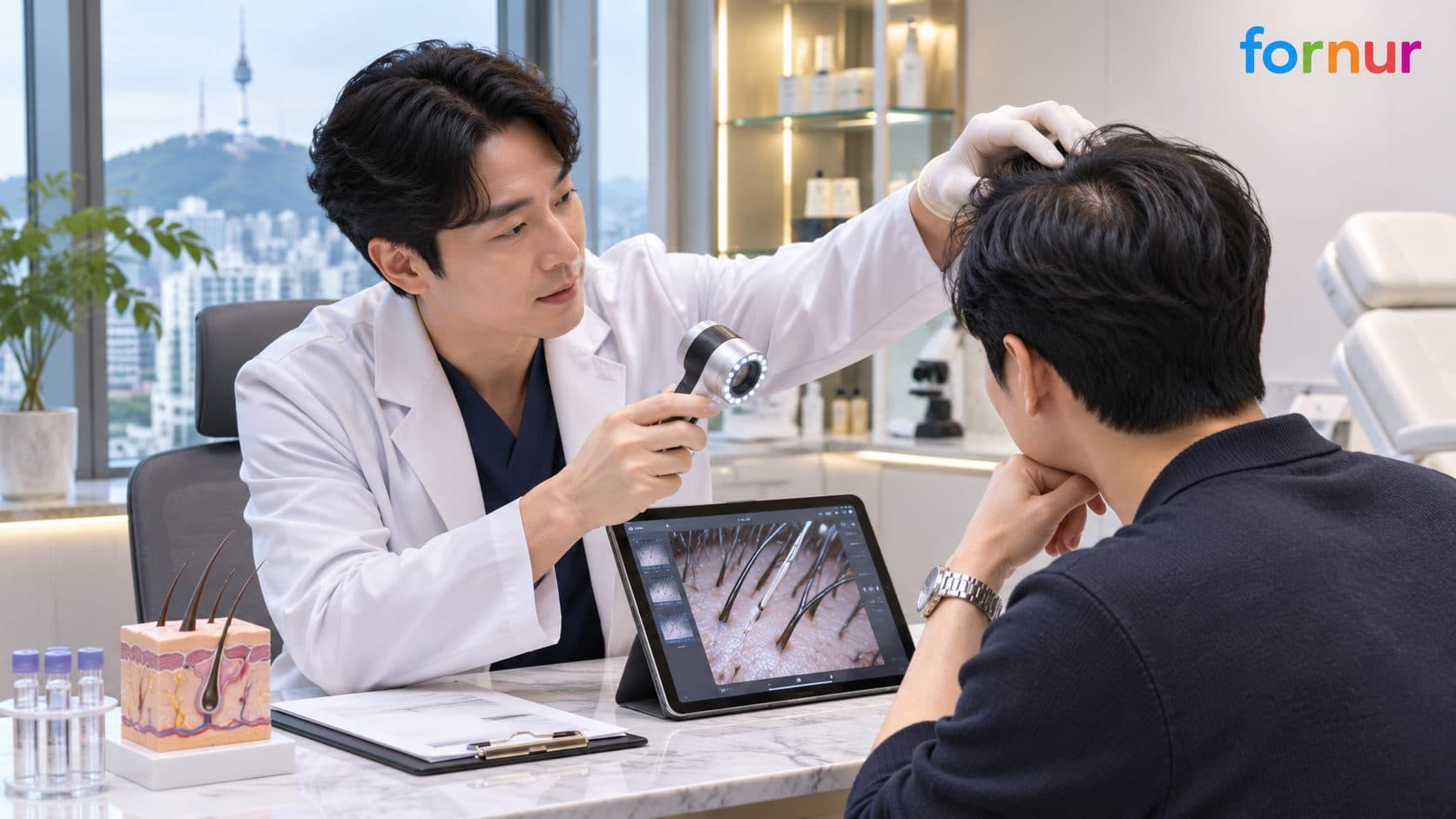
Explore PRP hair treatment in Korea, including scalp injections, clinical evidence, risks and cost factors. Learn why PDRN is a separate option.
 Hair Treatment
Considering stem cell hair treatment in Korea? Explore the research, evidence limitations, safety questions and differences from PRP, exosomes and hair transplantation.
 Skin & Aesthetic
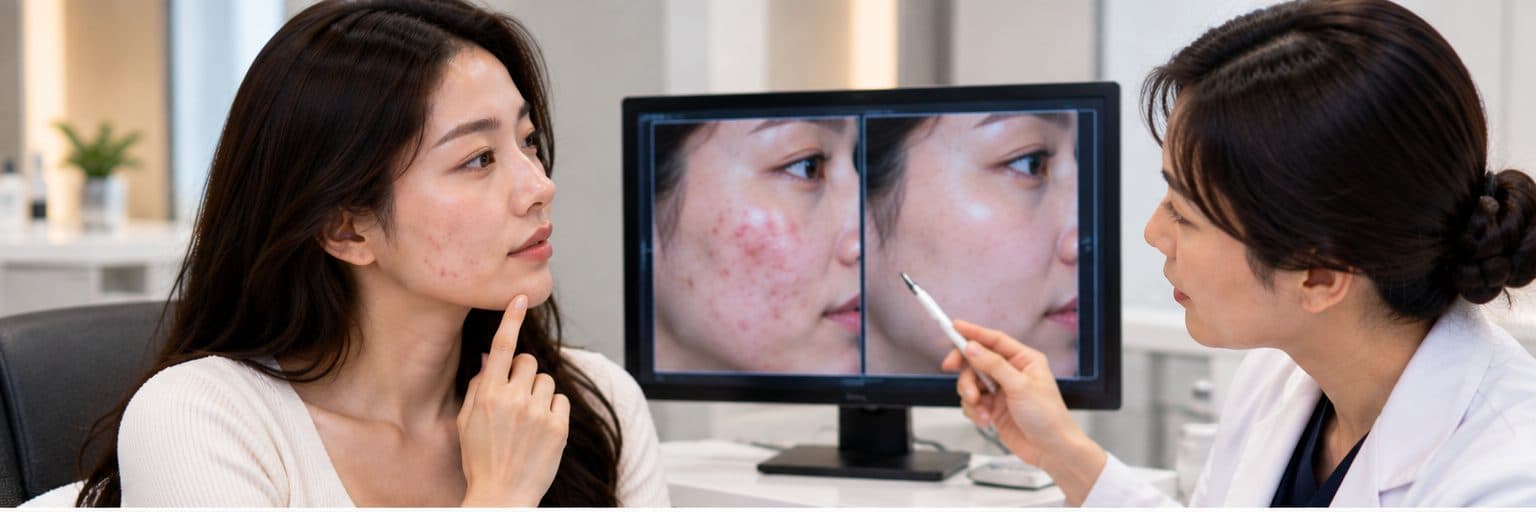
Explore acne treatment in Korea for clogged pores, inflamed breakouts and recurring acne. Understand medical options, risks and the questions to ask before planning care in Seoul
 Plastic Surgery
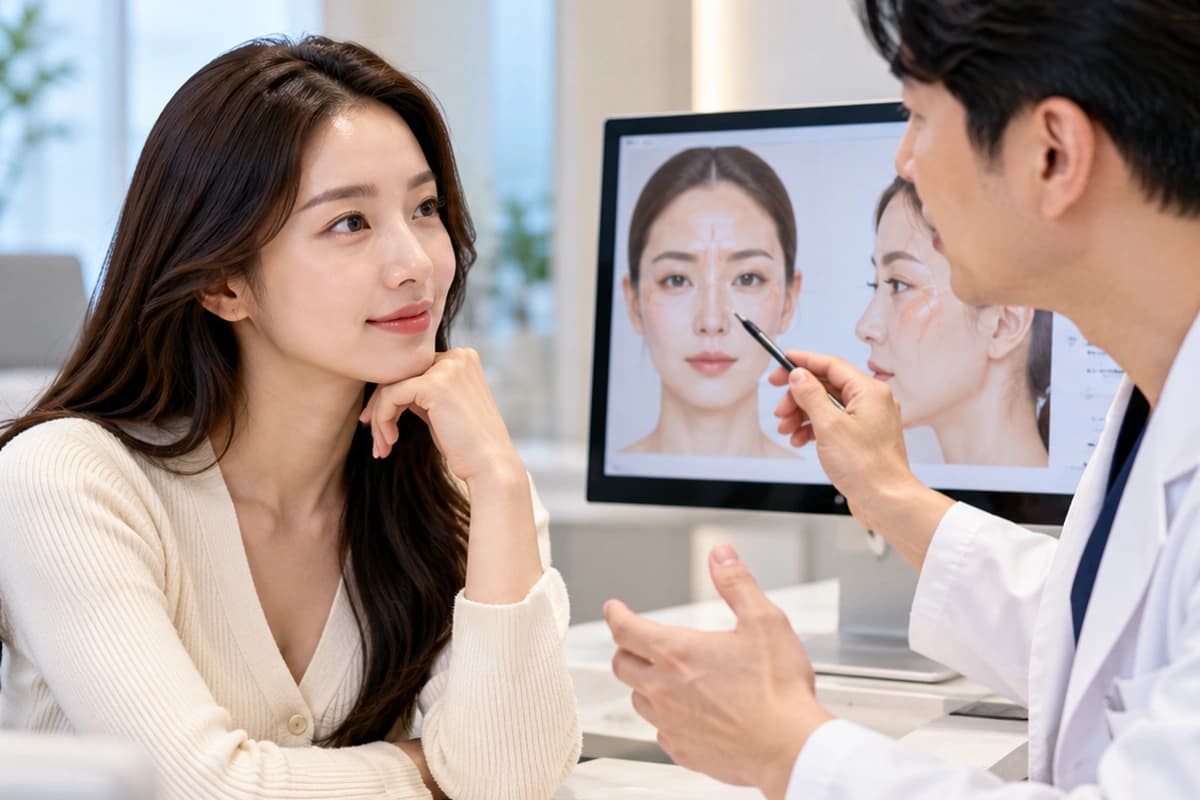
Explore adipose-derived stem cell programs in Korea involving fat collection, processing and selected clinical applications. The exact service and suitability require individual medical assessment.
Explore more you might be interested in.
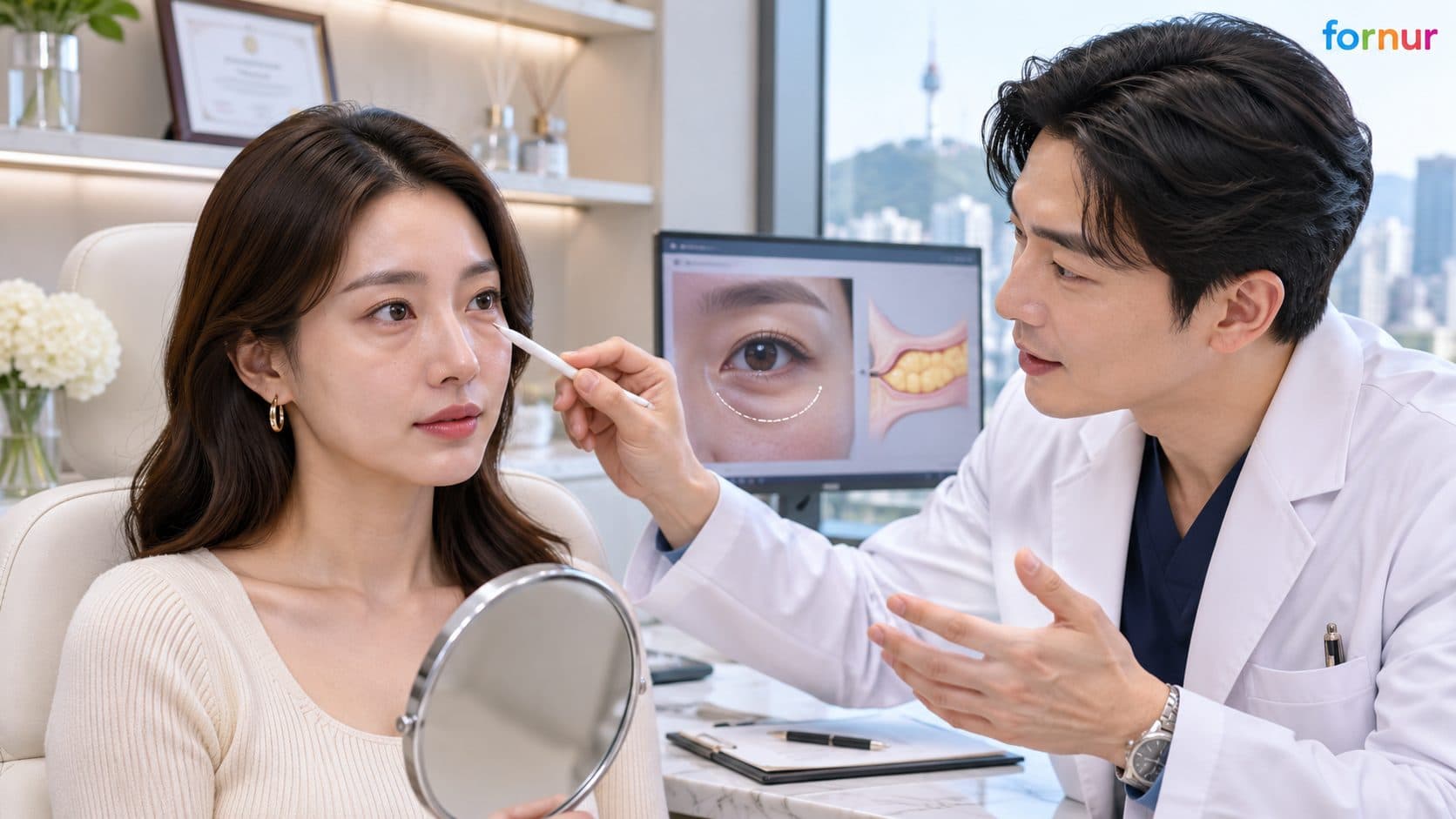 Beauty & Medical
Under-eye hollows or eye bags? Learn how fat grafting works in Korea, how it differs from repositioning and fillers, and what to ask before treatment.
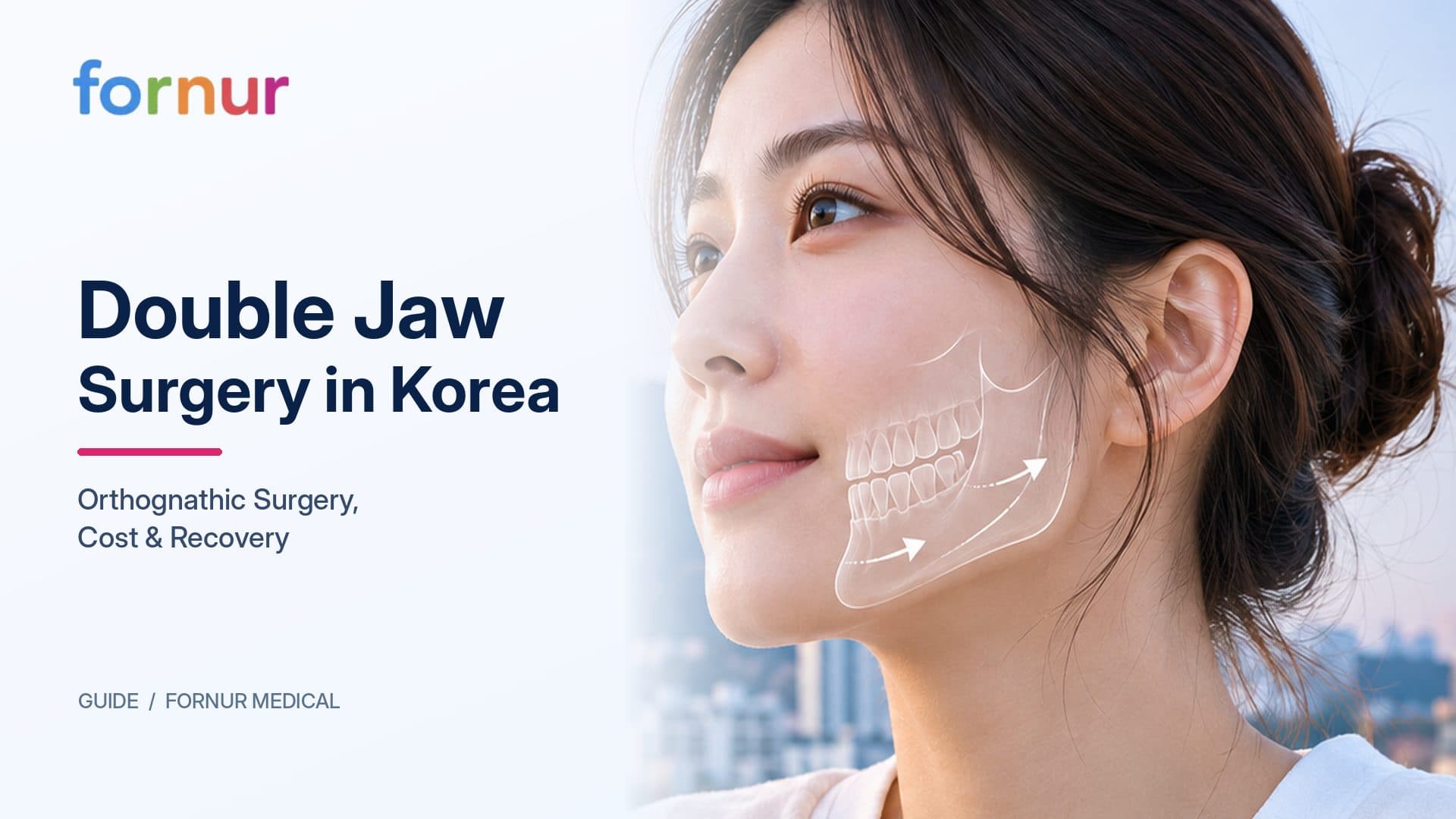 Beauty & Medical
Understand double-jaw orthognathic surgery in Korea, including who may need it, surgical planning, braces, recovery, costs, risks and safe travel decisions.
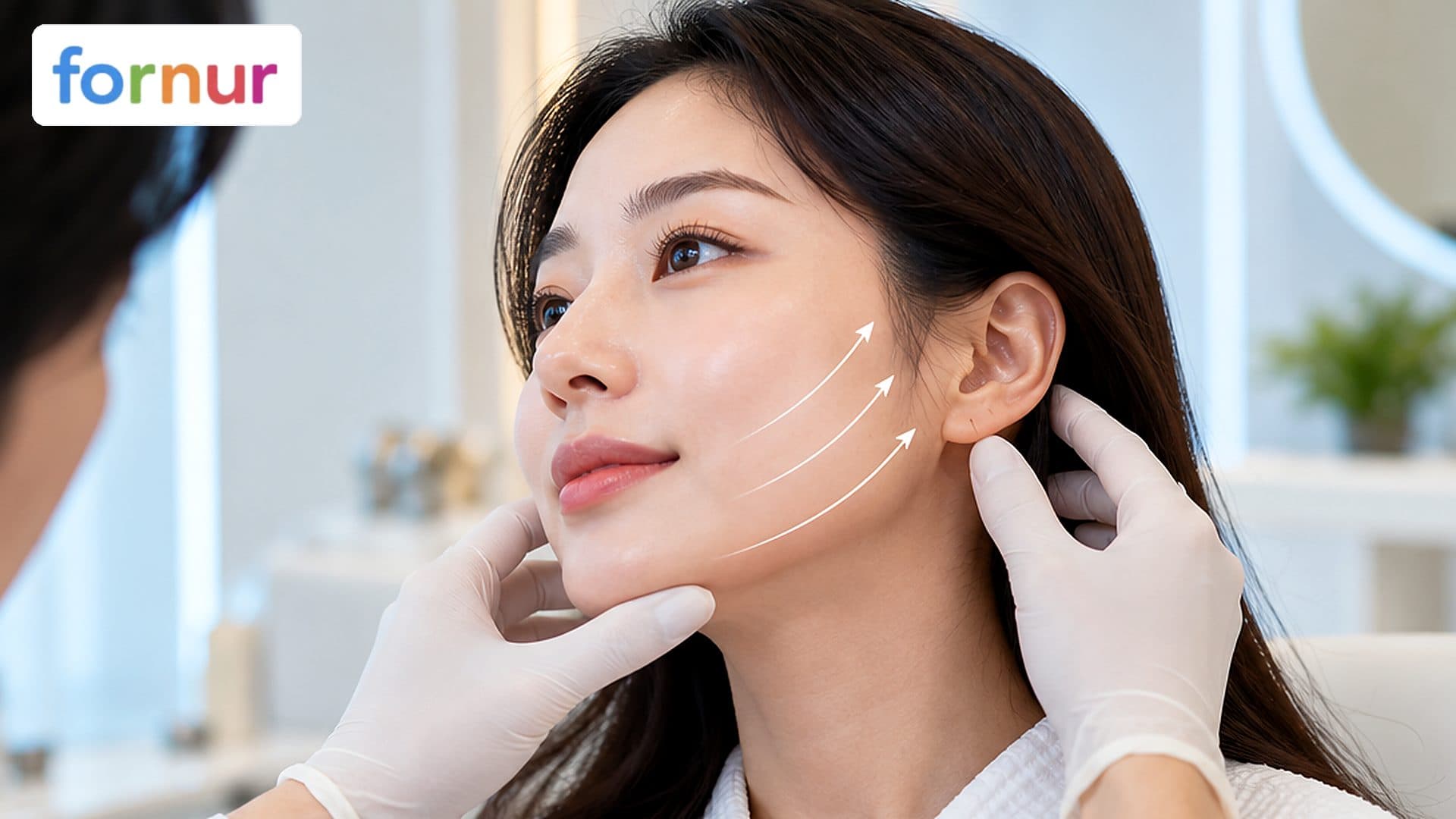 Beauty & Medical
A practical thread lift recovery timeline for international visitors to Korea, including swelling, bruising, aftercare, signs of complications and realistic results.
 Beauty & Medical
Understand Korean plastic surgery costs, what quoted prices include, why procedures vary and how to compare treatment plans before paying a deposit.